
Sheet metal solutions
Formed parts for transport
Produce transport brackets, guards and formed panels with equipment matched to the material, geometry and required inspection records.
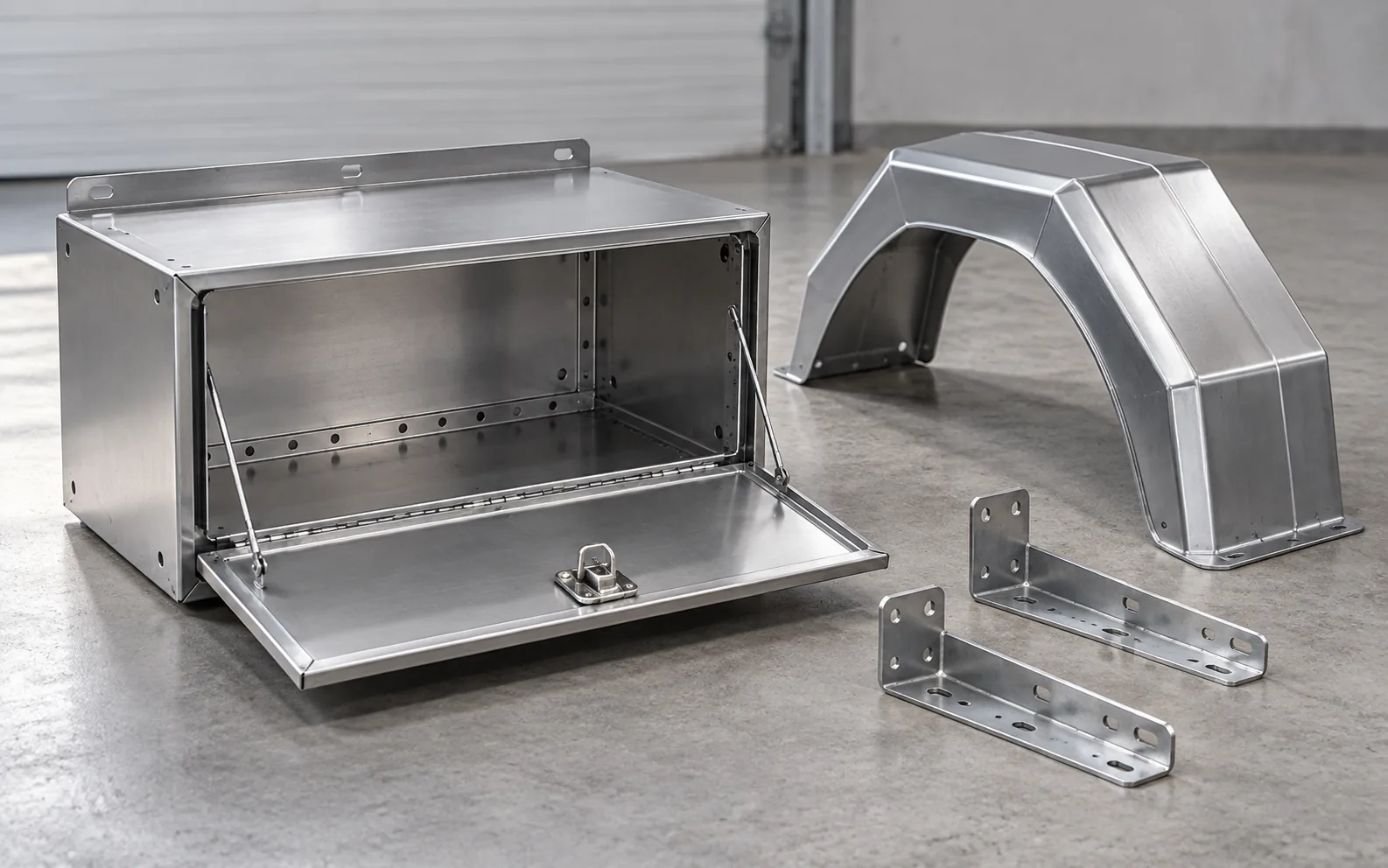
Start with the parts you make
Focus the discussion on the component drawing and its manufacturing requirements, rather than treating every transport application as the same process.
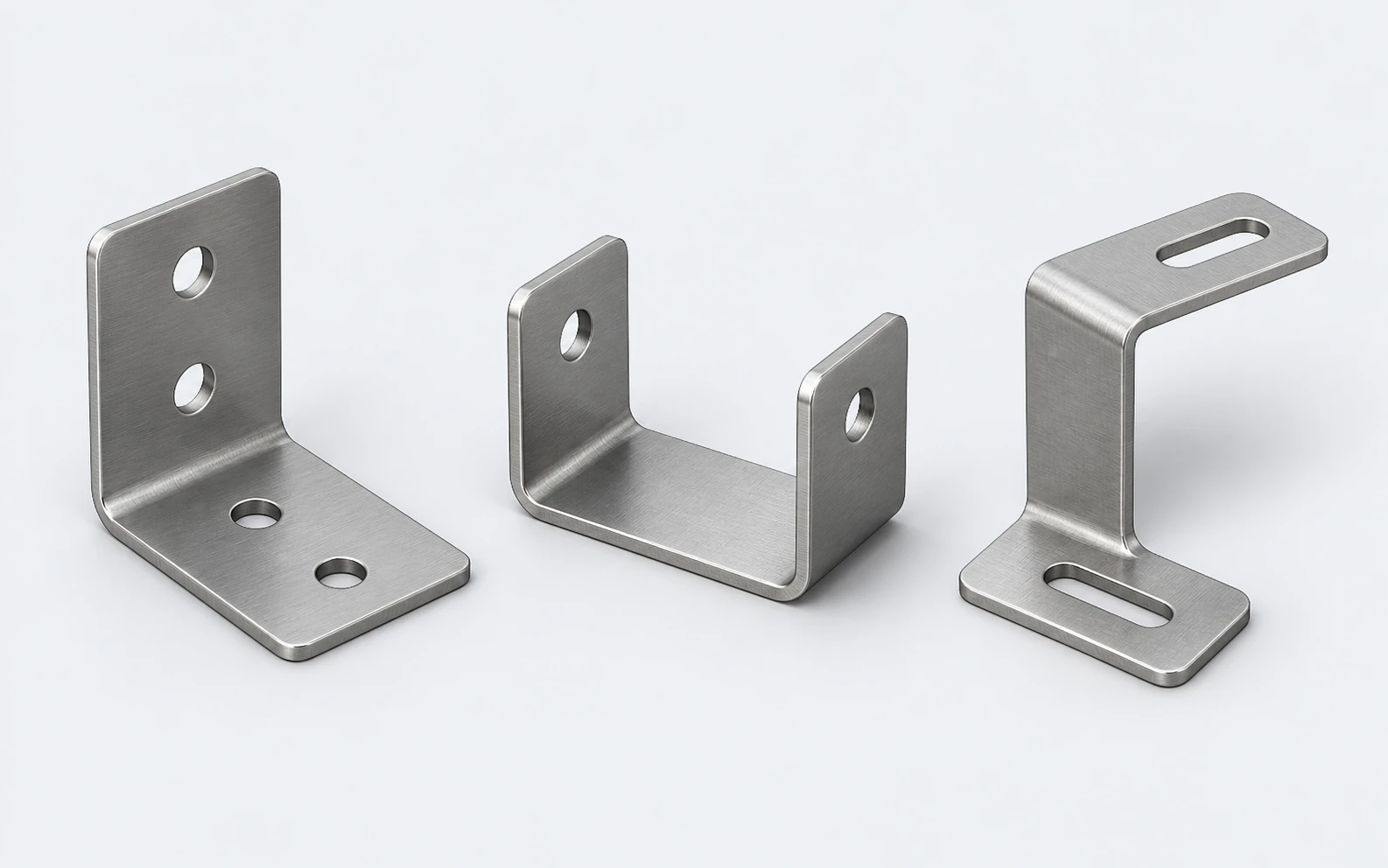
Mounting brackets
Specify the material grade, locating features, bend sequence and access around short or returned flanges.
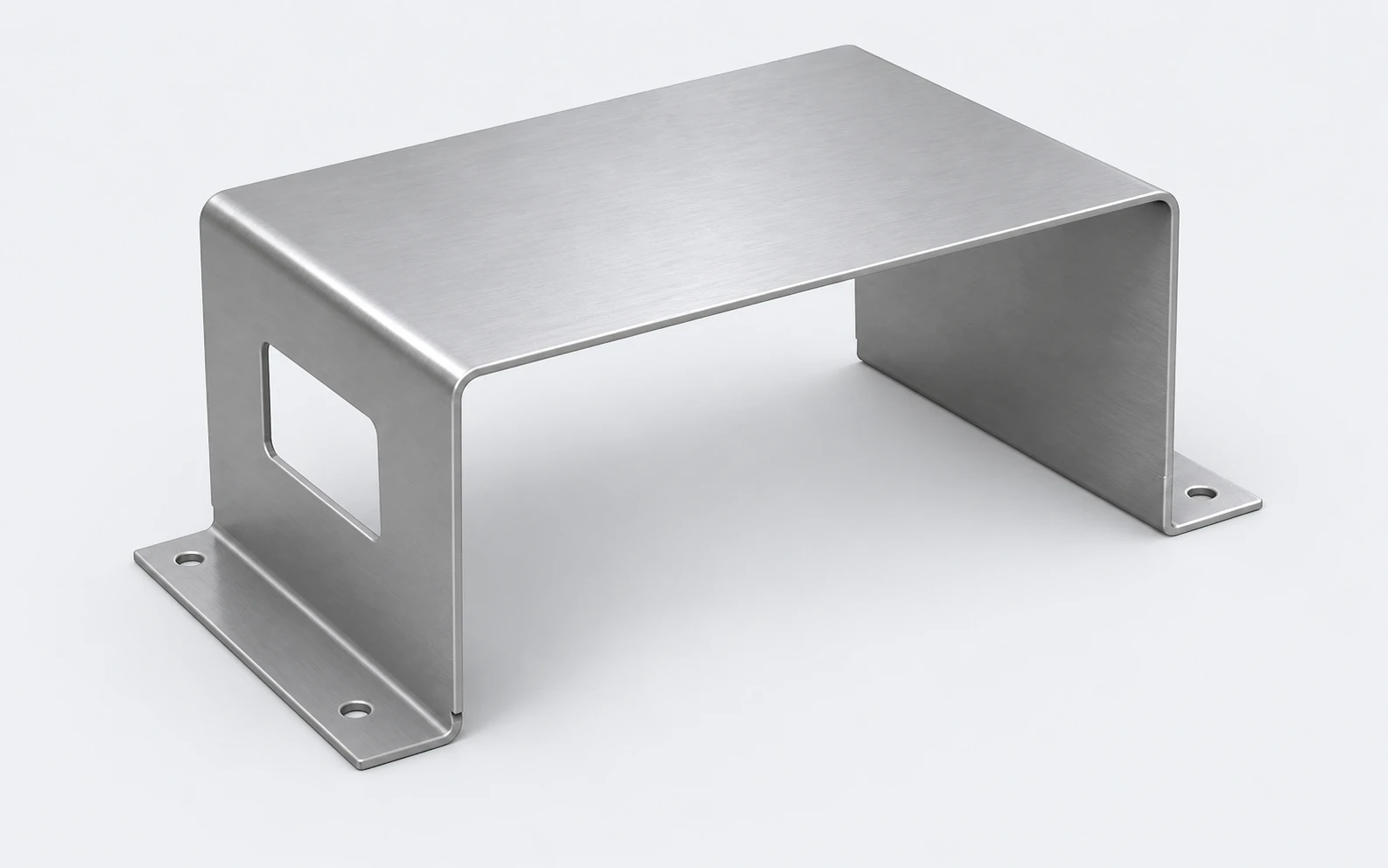
Guards and covers
Review visible faces, edge details, attachment points and support during forming.
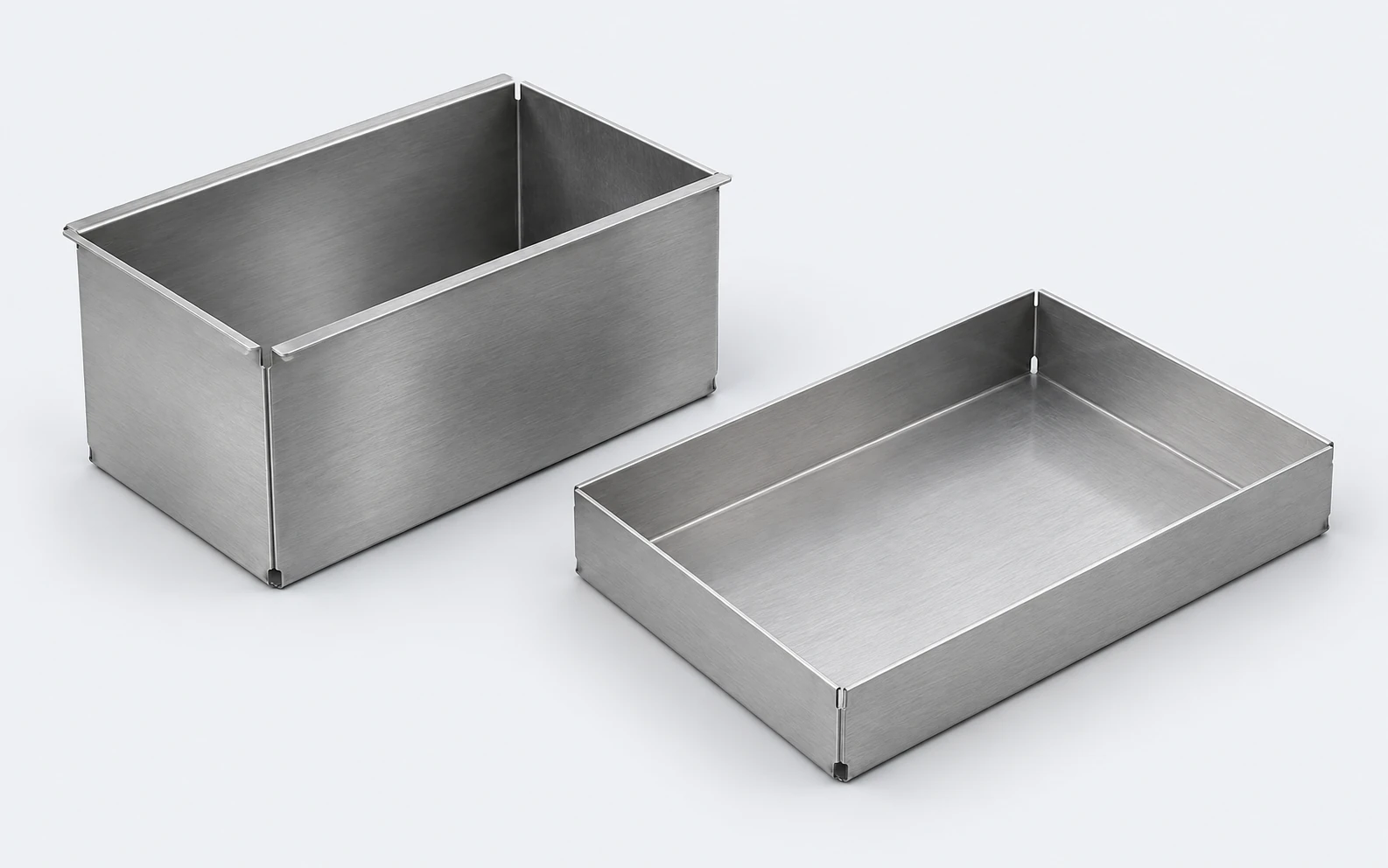
Storage boxes and trays
Check depth, corners, return bends and removal of the finished shape from the tooling area.
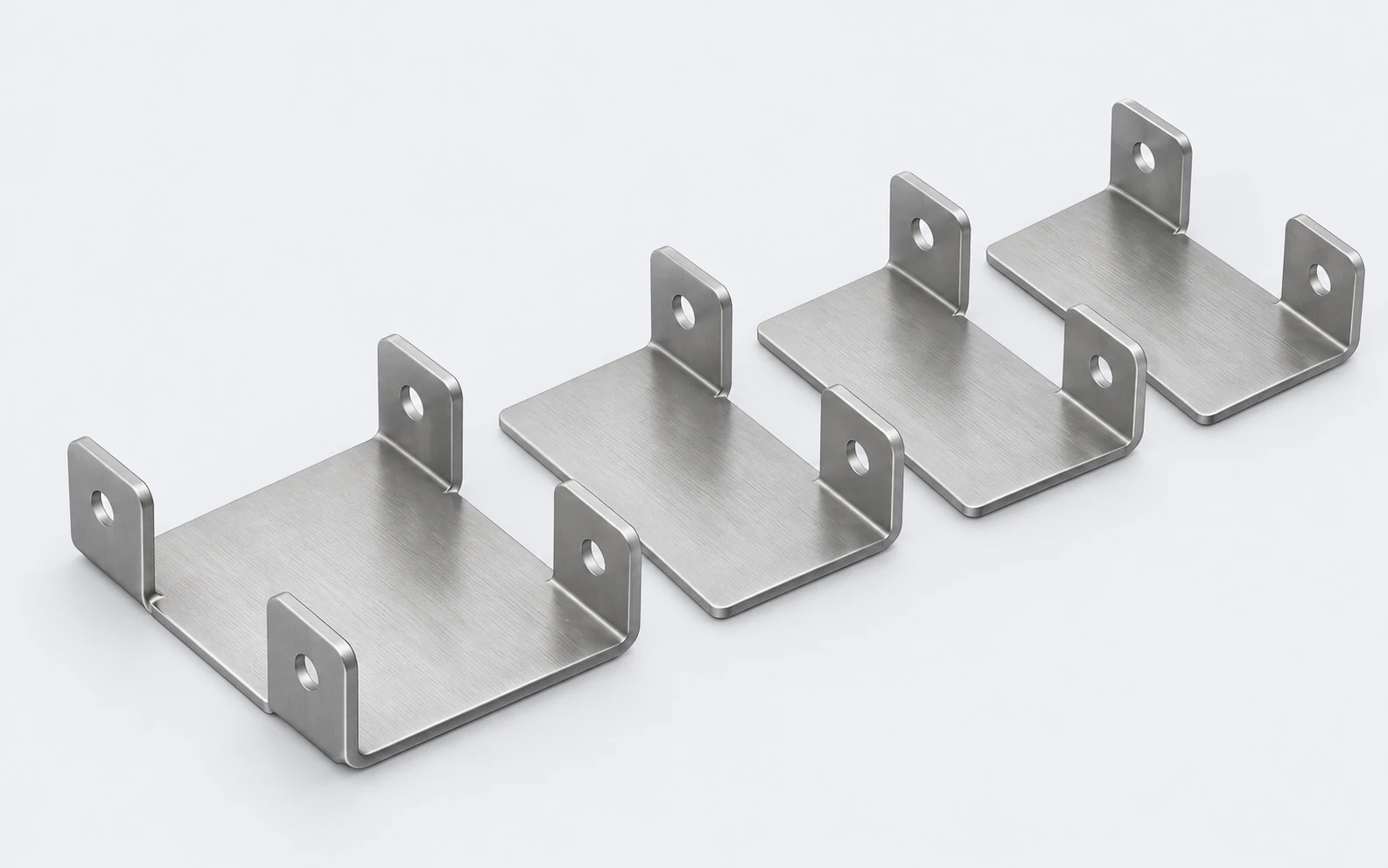
Repeated formed components
Describe the family of shapes, gripping positions, tooling changes and the checks required between batches.
Connect the part to the process
Material and bend behaviour
The exact grade and strength matter in the forming comparison. Confirm the material and drawing requirements rather than relying on thickness alone.
Inspection and traceability
State the checks and records the customer requires. Equipment selection and sample evaluation should reflect those project requirements.
Repeatability with exceptions
A repeat order may still include different tools, orientations and handling tasks. Account for setup and operator recovery when assessing automation.
Choose the equipment for each task
Cut the specified blank, establish the bend program and tooling, and inspect the finished features. Consider an automated cell only when handling and exceptions have been defined for the target parts.
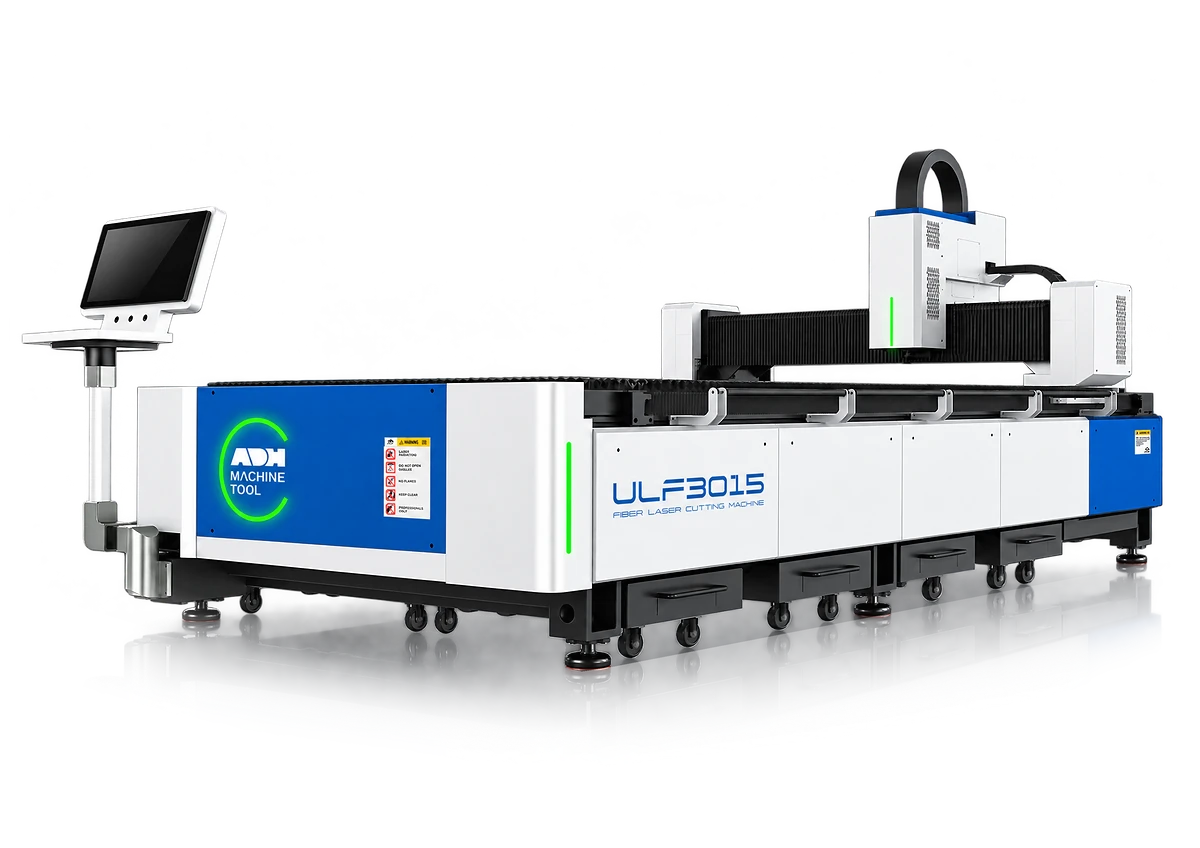
Cut the required blank geometry
Use the actual grade, thickness and critical features when comparing laser systems. Confirm the edge condition needed for the next operation.
Explore laser cutting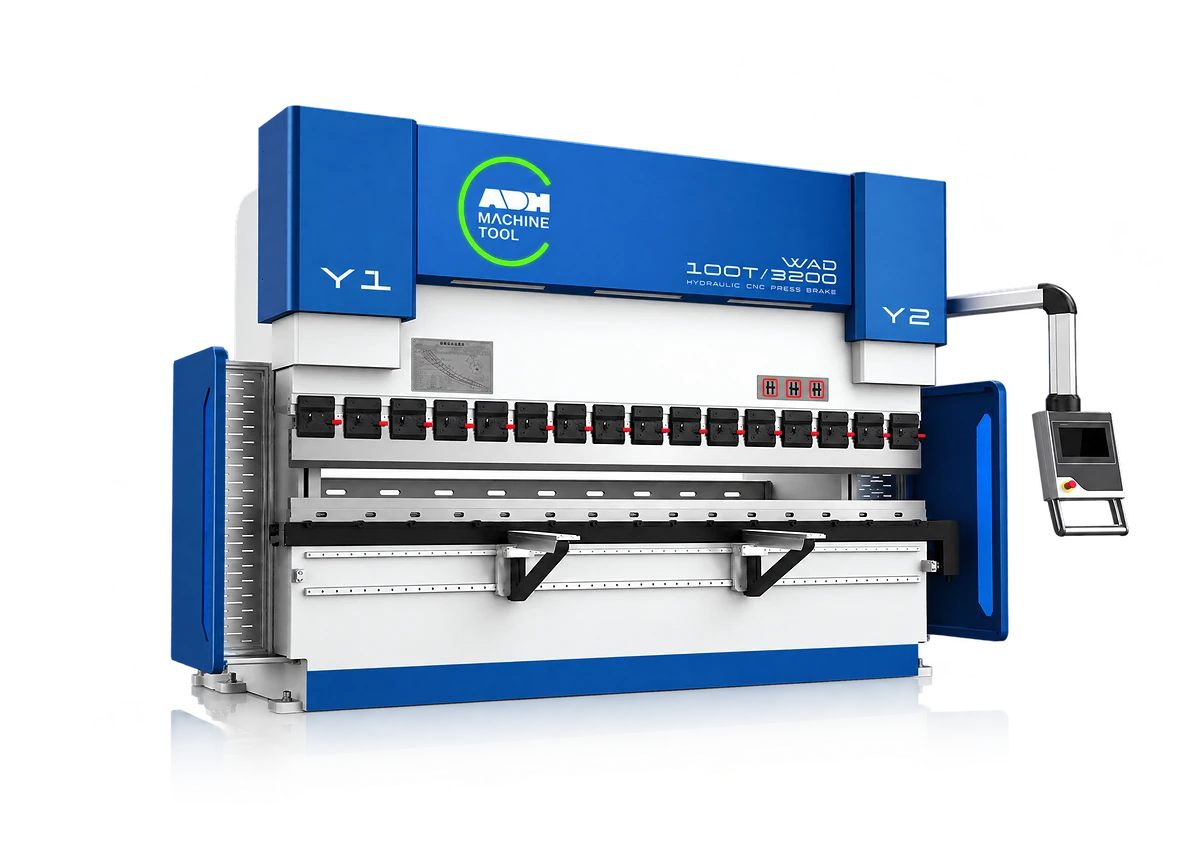
Form brackets and covers
Compare CNC press brakes using force, tooling, bend sequence, backgauge access and the required inspection method.
Compare CNC press brakes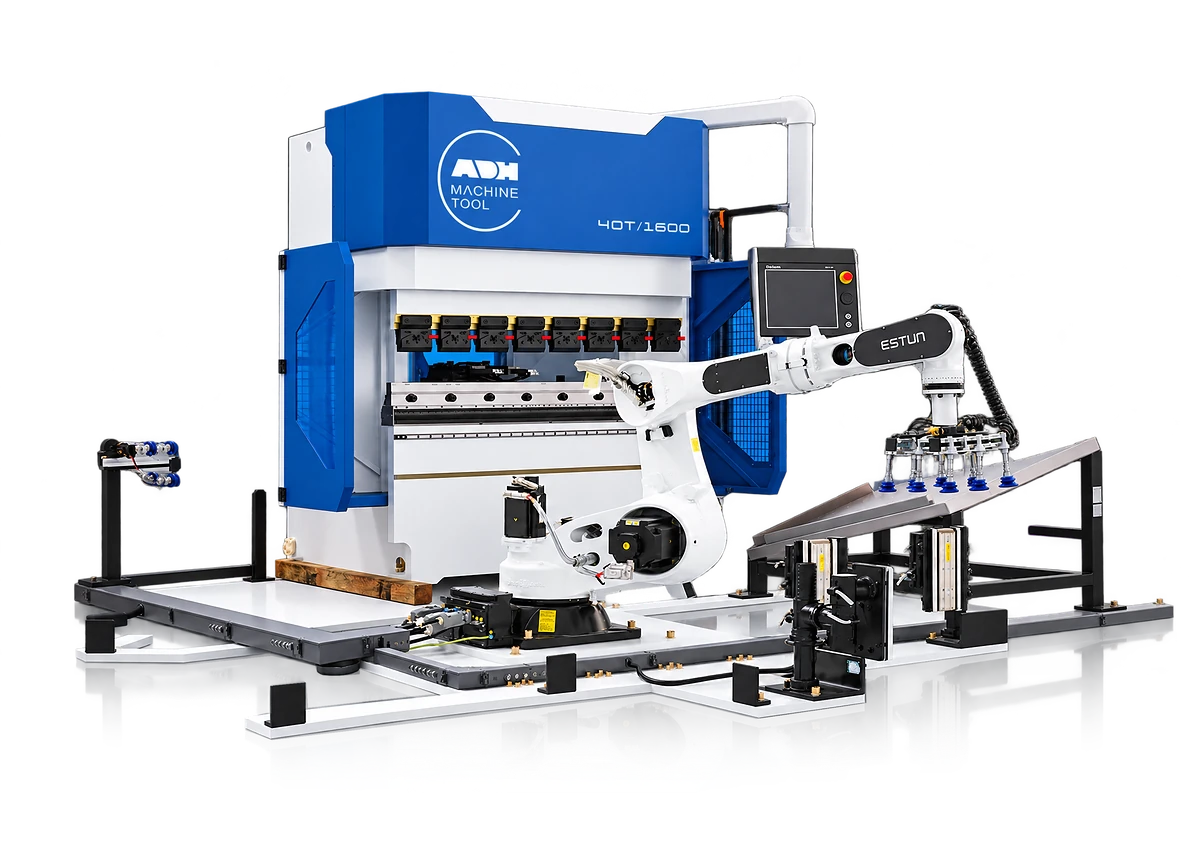
Automate suitable repeat work
Evaluate a bending cell around part gripping, rotation, tool changes and finished-part stacking. Include operator access and recovery in the proposal.
Explore bending automationMachine suitability is assessed for the supplied component. Any programme-specific approval, inspection standard or documentation must be defined with the customer; an industry label is not a certification.
Evaluate a representative component
Compare WAD press brakes and robotic bending equipment against your component drawings, handling needs and acceptance requirements.