Press BrakesFiber Laser CuttingPanel BendersAutomation

Laser Welding | FLW Series

Laser Welding

Handheld fiber-laser welding for sheet-metal joining. Explore a system matched to your material, joint and workshop.
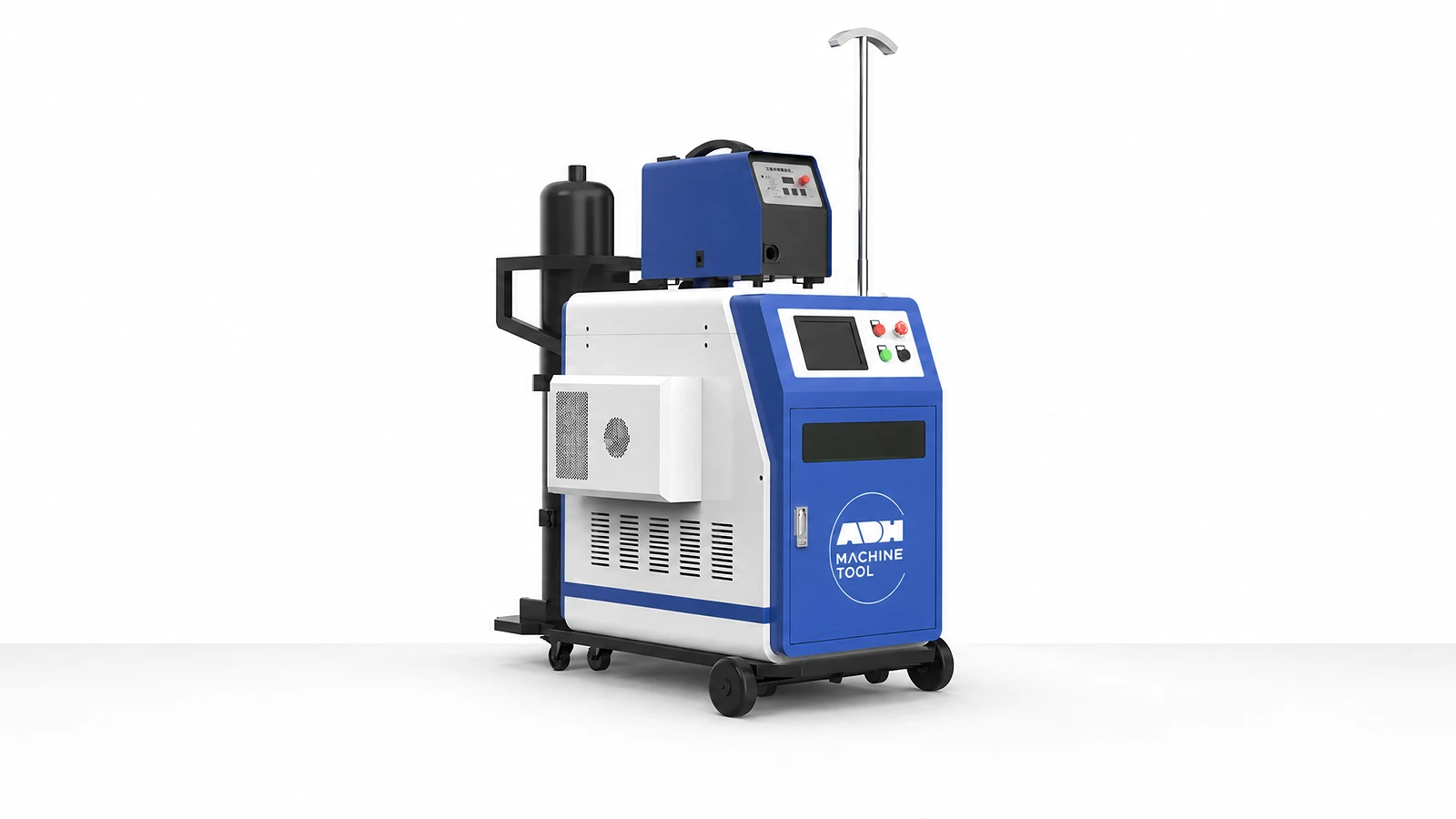
Handheld Laser Welding Machine

Selection comparison

Match the FLW configuration to the joint

Compare the job requirements before selecting the handheld laser-welding setup. The representative joint defines the process to test.

Selection factor

What to define

What it decides

Material and joint

What to define

Material, coating, thickness, joint type and fit-up.

What it decides

The sample and process window to evaluate.

Working access

What to define

Part size, joint position, operator access and the holding method.

What it decides

Whether the handheld workflow suits the workpiece.

Process package

What to define

Source, oscillating head, wire or no-wire setup, shielding gas and cooling.

What it decides

The configuration to test on the representative sample.

Acceptance and work area

What to define

Required inspection, fume control, controlled area, guarding and training.

What it decides

The complete working arrangement and agreed weld acceptance.

Choose from the tested joint result and delivered configuration; a power rating alone does not establish suitability.

Applications

Laser welding applications begin with the joint

Compare handheld laser welding against your joint geometry, material and quality requirements.

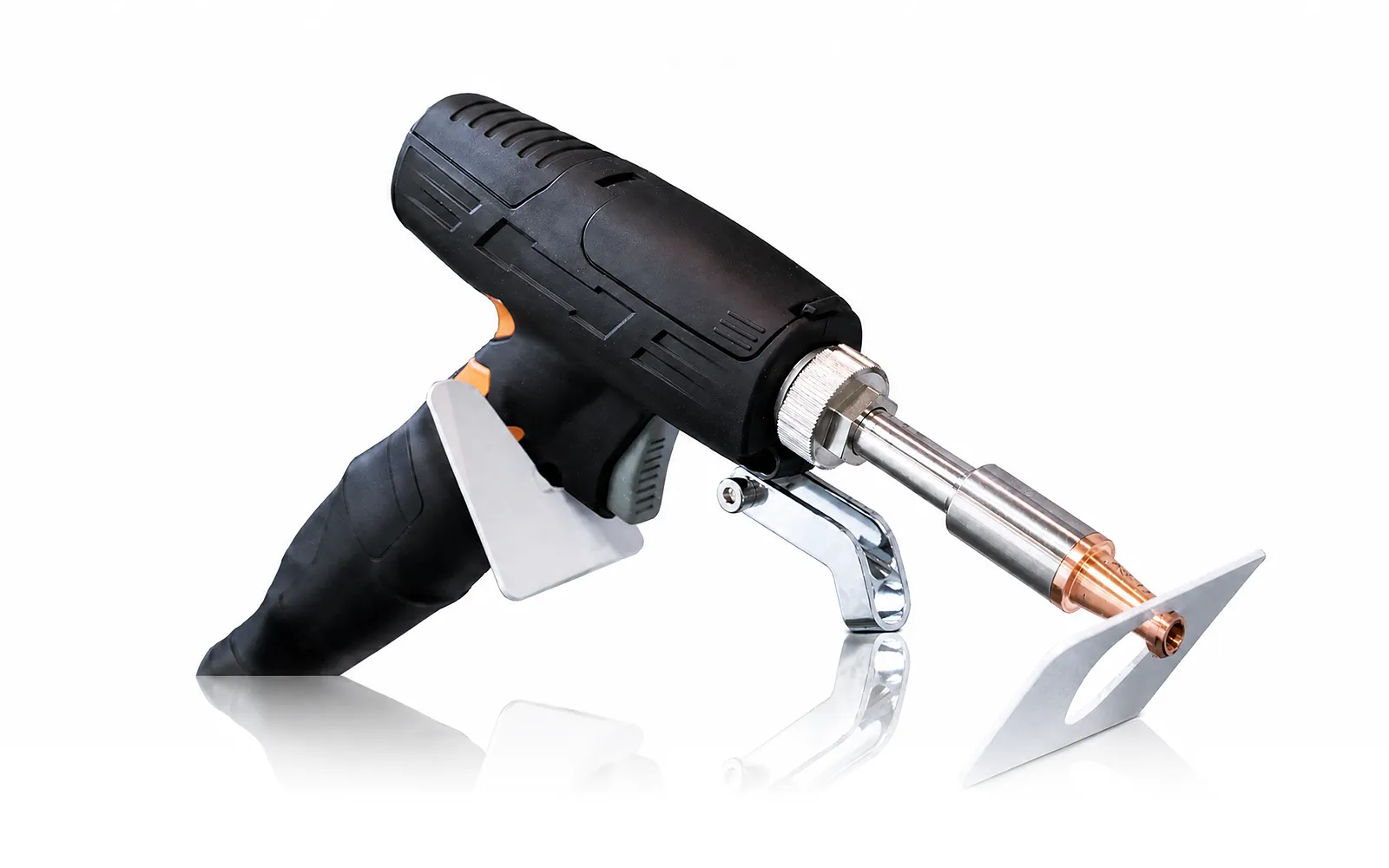
Handheld laser welding head with a copper nozzle at a sheet-metal joint

01

Sheet-metal housings

Corners and seams in housings need suitable fit-up and access for the welding head. Agree the visible finish and any later grinding or coating.

Review: joint gap, access and cosmetic requirements.

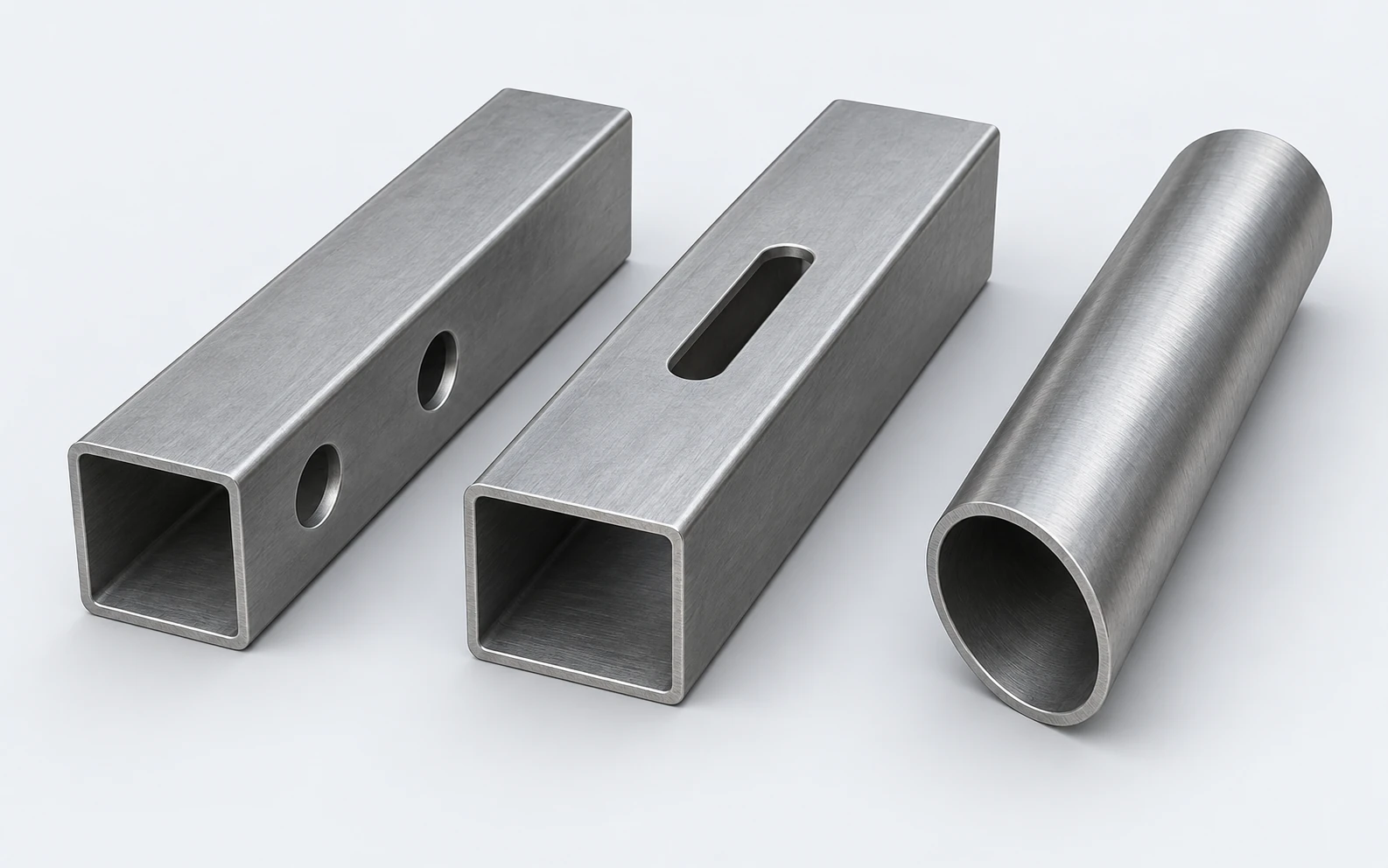
Illustration of hollow steel tube workpieces with open ends, side holes and a slot.

02

Tube and frame assemblies

The section, joint position and fixture determine how the operator reaches and holds each weld. Include the assembly sequence in the sample review.

Review: joint preparation, fixturing and repeatability.

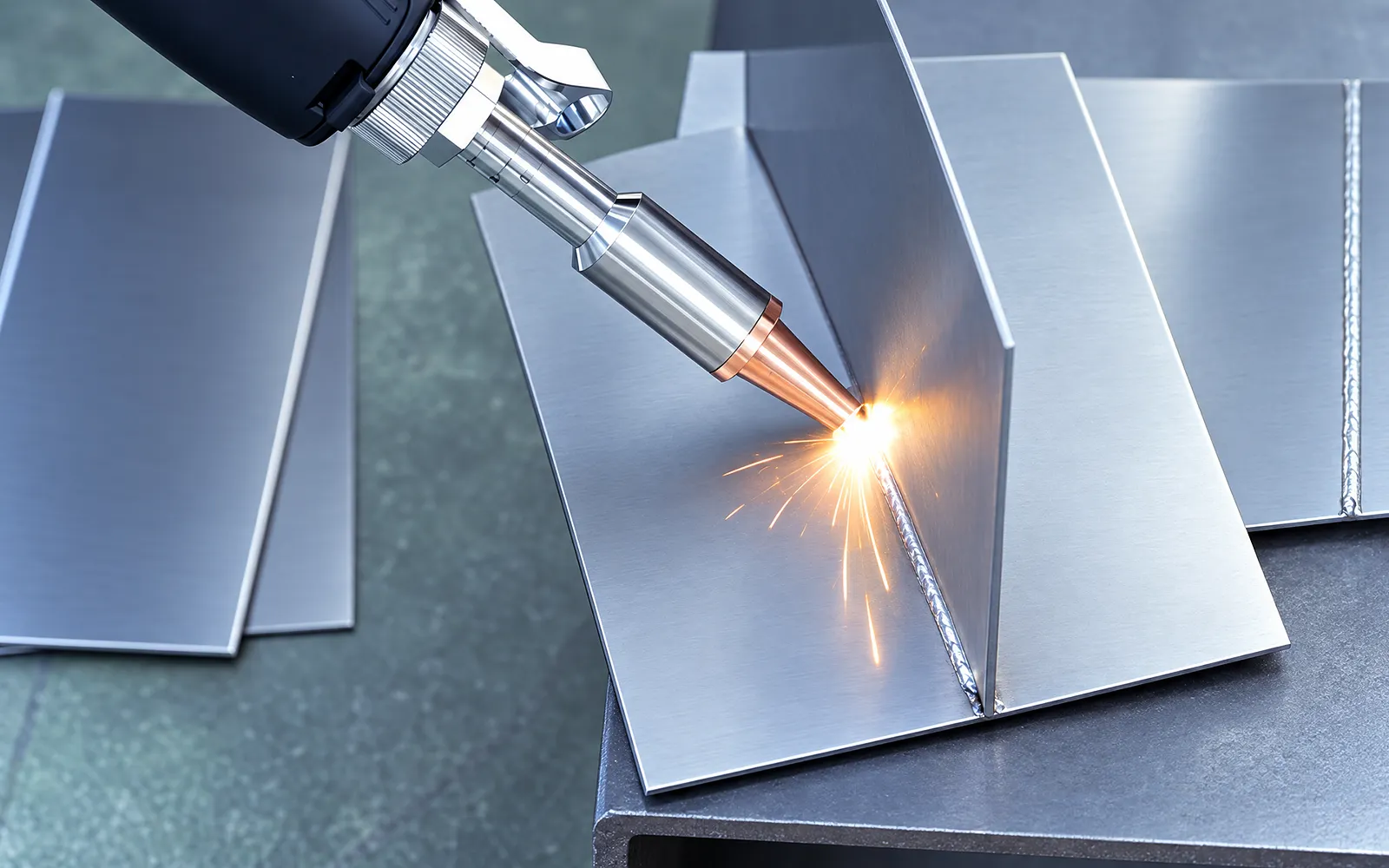
Handheld laser welding head joining a sheet-metal corner

03

Short-run fabricated parts

Varied parts need a repeatable setup and a suitable working area. Compare the time spent preparing and positioning the joint with the welding operation.

Review: setup effort, workstation design and operator training.

Application fit

Start With the Joint, Material and Working Access

A handheld laser-welding system should be selected from the joint and production route, not power alone.

01

Material and joint

Record the base materials, coatings, joint type, fit-up condition and required weld location.

02

Thickness and access

Confirm the thickness range, joint access, workpiece size and how the part will be supported or positioned.

03

Quality requirement

Define the required appearance, penetration, inspection method and any downstream finishing or rework.

04

Production environment

Define batch pattern, operator route, work area, fume control, safeguarding and destination requirements.

Machine in operation

See handheld laser welding in operation

Watch the FLW 1.5kW demonstration, then review joint access, material preparation and welding requirements with your sample parts.

Watch on YouTube (opens in a new tab)

Buying guide

What belongs in a laser-welding quotation?

Specify the equipment and working environment together so the proposed package can be assessed as one process.

01

Process equipment

Identify the laser source, head, cooling, wire feed and gas requirements. Compare the selected package using the same sample joint.

02

Workstation and preparation

Include fixtures, joint preparation and the working area. Arrange a qualified assessment of laser protection, extraction and operating procedures.

03

Quality and support

Agree how the weld is assessed, what operator training covers and which consumables and replacement parts are included.

Project workflow

From Sample Joint to a Defined Welding Configuration

Connect application data, model detail, acceptance and training.

01

Application brief

Provide the drawing or sample, material, joint, thickness, current process and required result.

02

Process review

Confirm access, workholding, process inputs, inspection and operator area.

03

Configuration

Use the FLW detail page and project record to confirm power, included equipment and exclusions.

04

Acceptance and training

Agree sample checks, records, training, destination and support.

FAQs

Laser welding buying questions

Review the joint, expected result and workstation as one process.

Can handheld laser welding replace TIG or MIG for all my work?

No single process suits every joint. Compare laser welding with TIG or MIG on your materials, fit-up, access and quality requirements, including preparation and finishing time.

Can welding power be selected from thickness alone?

No. Material grade, joint design, fit-up, access and the required weld result also matter. Review the source, head, cooling and gas package together. Select the process using a representative joint and agreed inspection criteria.

Will I need filler wire?

Filler wire depends on the joint, fit-up and qualified process. Test a representative joint, then confirm the feeder, wire and gas included in the FLW package.

What joint information is most useful for a sample review?

Show the joint type, material and thickness on both sides, gap and fit-up expectations, surface condition and access for the welding head. Include the fixture or assembly sequence and the required visible finish. These details make the sample more representative of production.

What must be planned around the welding machine?

Plan the controlled work area, laser protection, fume extraction, fixturing and operator training with a qualified safety assessment. Confirm the equipment and responsibilities included in the project proposal. A machine purchase alone does not define a complete workstation.

Explore safety planning
How can I check weld quality before ordering?

Agree sample joints and inspection criteria based on the finished product. Appearance, penetration and any required strength or integrity tests should be defined for the application. Review the result along with preparation, welding, finishing and operator tasks.

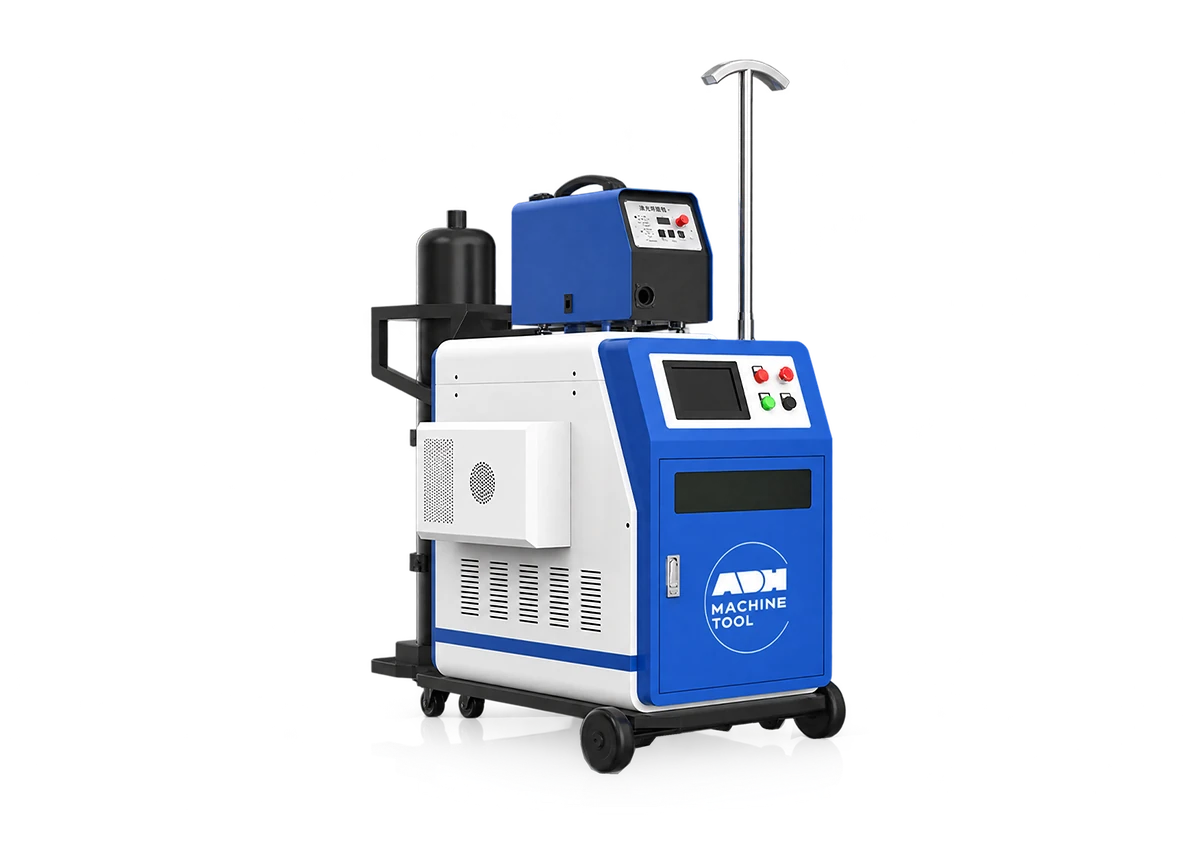
Review the FLW handheld laser welder

Project enquiry

Discuss your project

Tell us what you want to make or improve. Technical details and drawings can follow.

  • Material, thickness and part size
  • Drawings and production volume
  • Location and project timing

Contact ADH

Start a machine enquiry

Name, email and a short description are enough to begin.

Contact Form