
Sheet metal solutions
Sheet-metal parts for machinery
Make guards, housings, panels and supports that fit your assemblies. Compare equipment by mounting features, product variants and material flow.
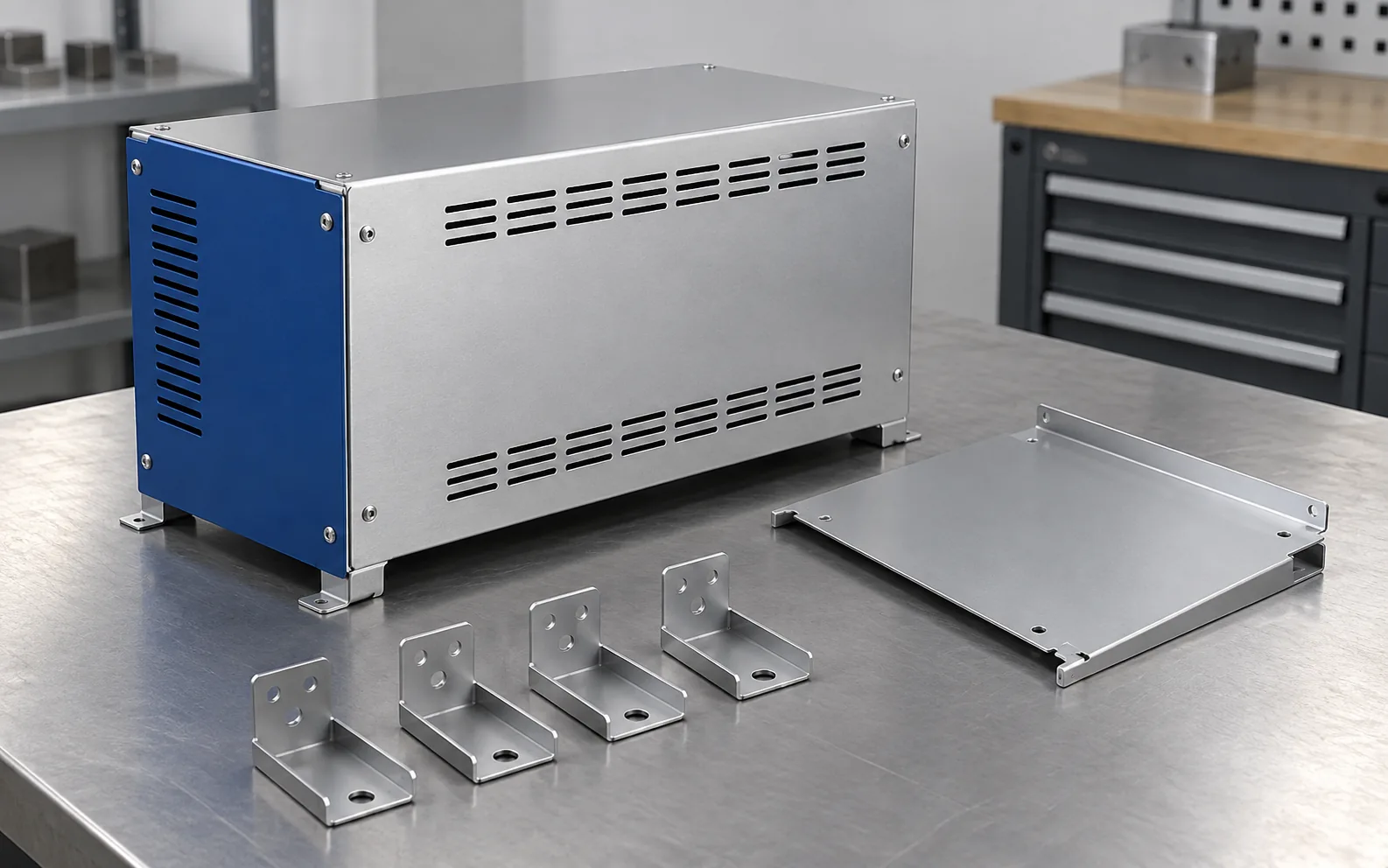
Start with the parts you make
Select parts from a complete machine assembly so the relationships between covers, mounting points and service access are visible.
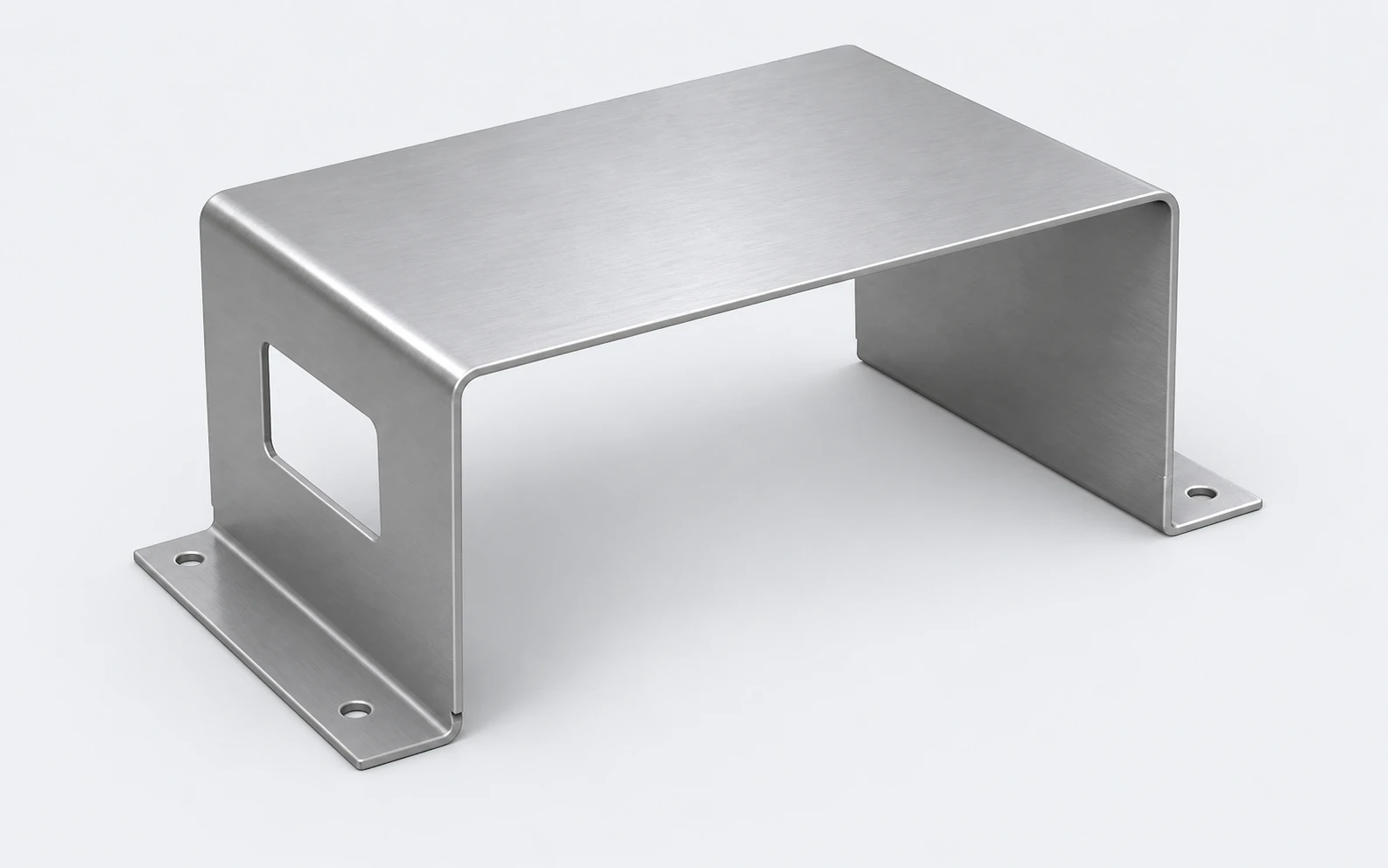
Machine guards
Define access openings, fixing points, folded edges and the position used to assemble or remove the guard.
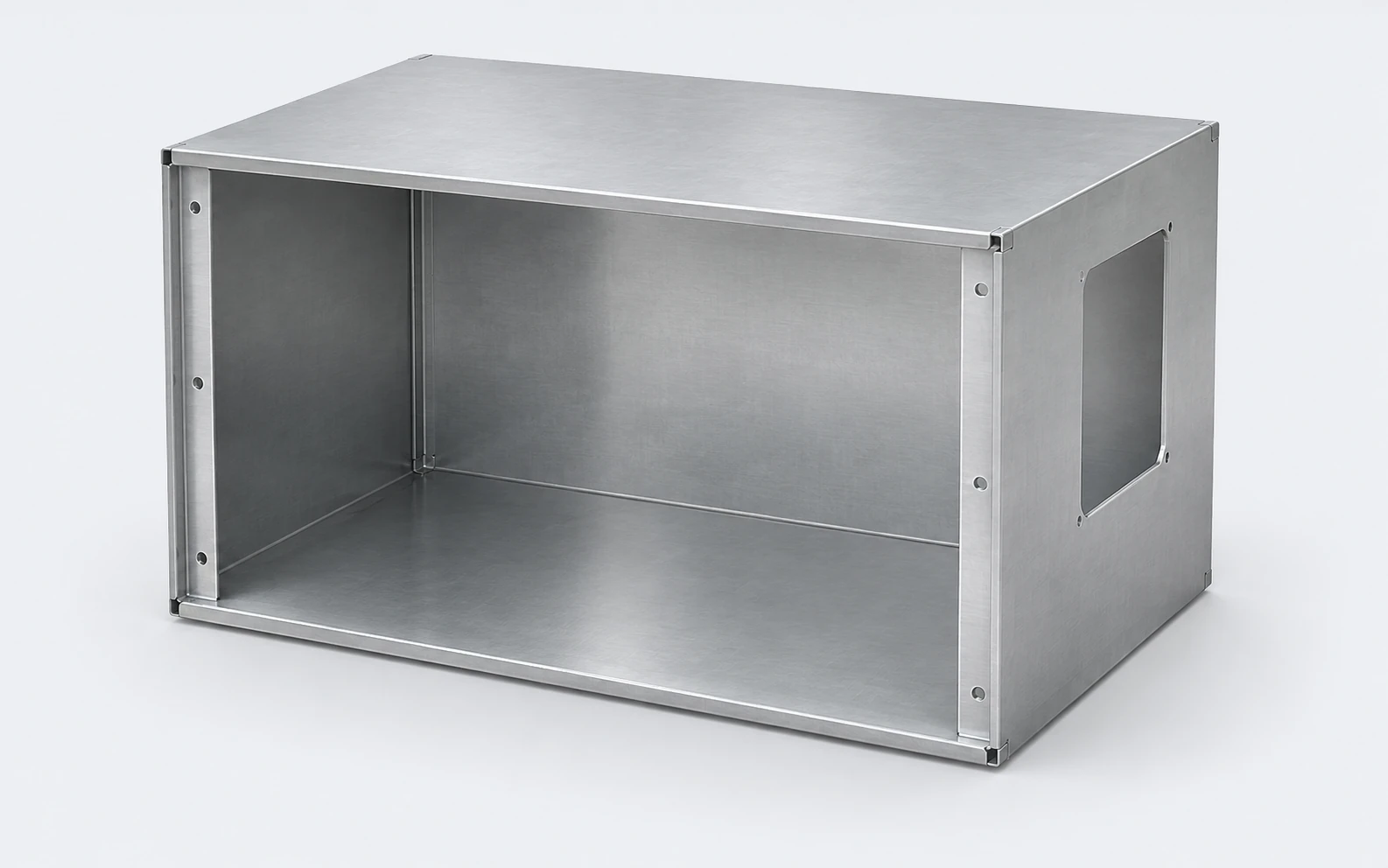
Equipment housings
Review the panel joints, return flanges and the internal clearance needed around the installed components.
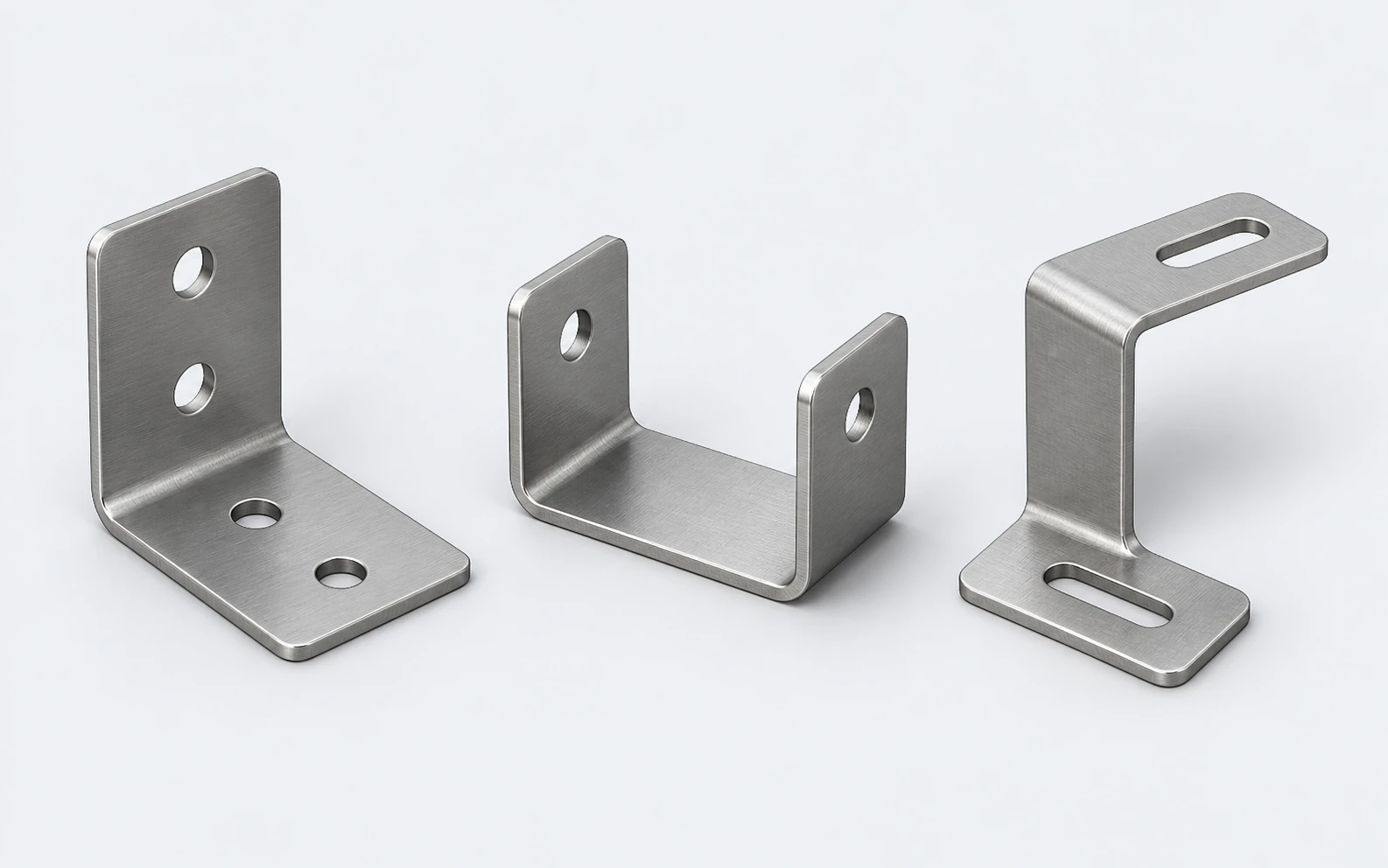
Mounting brackets
Identify the datum surfaces and features that locate the bracket in the final assembly.
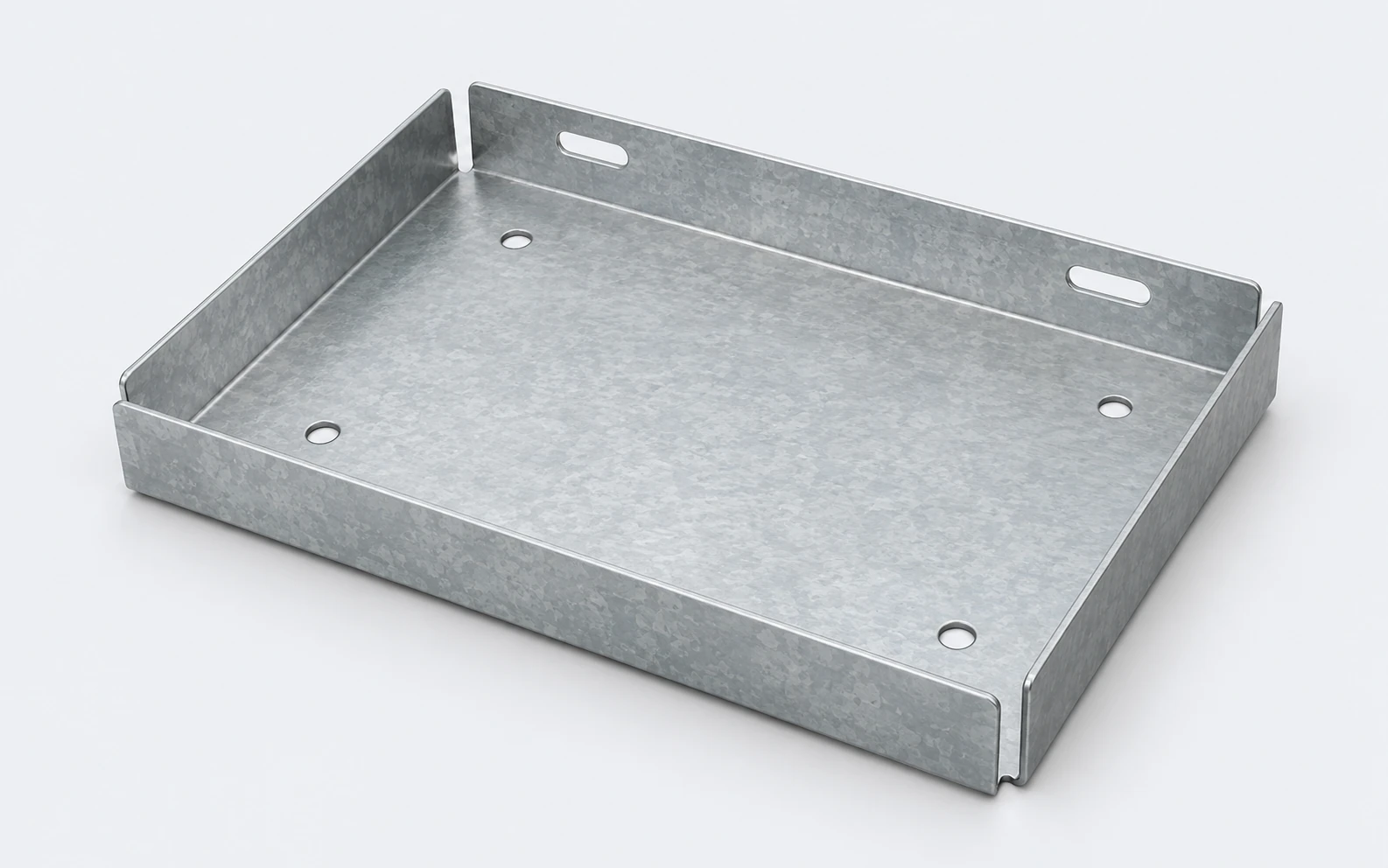
Base trays and panels
Check folded depth, interfaces and part handling, together with the variety of sizes used across machine models.
Connect the part to the process
Assembly-critical features
Make the important holes, folds and interfaces explicit on the drawing. A simple outside dimension may not describe what determines assembly fit.
Product variants
Compare common parts across equipment models with the changing dimensions and tool setups required by each variant.
Supplying complete assemblies
Cutting and bending should deliver identifiable parts to the next operation. Include sorting, inspection and handling in the production plan.
Choose the equipment for each task
Create the blank and mounting features, choose forming methods by part family, then verify the assembled interfaces. Discuss automation only for the tasks that repeat reliably.
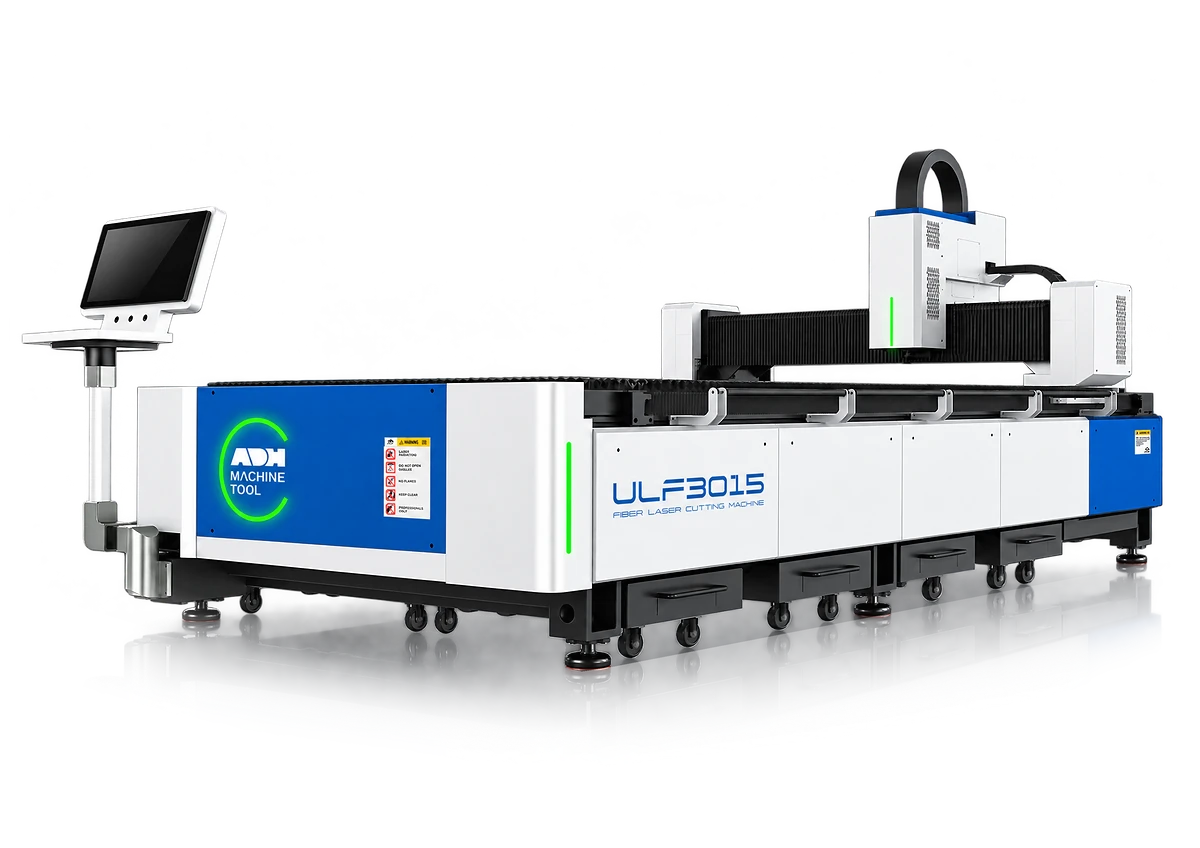
Cut panels and mounting features
Compare laser equipment using the actual material, format, openings and edges needed by the following operation.
Compare laser cutting systems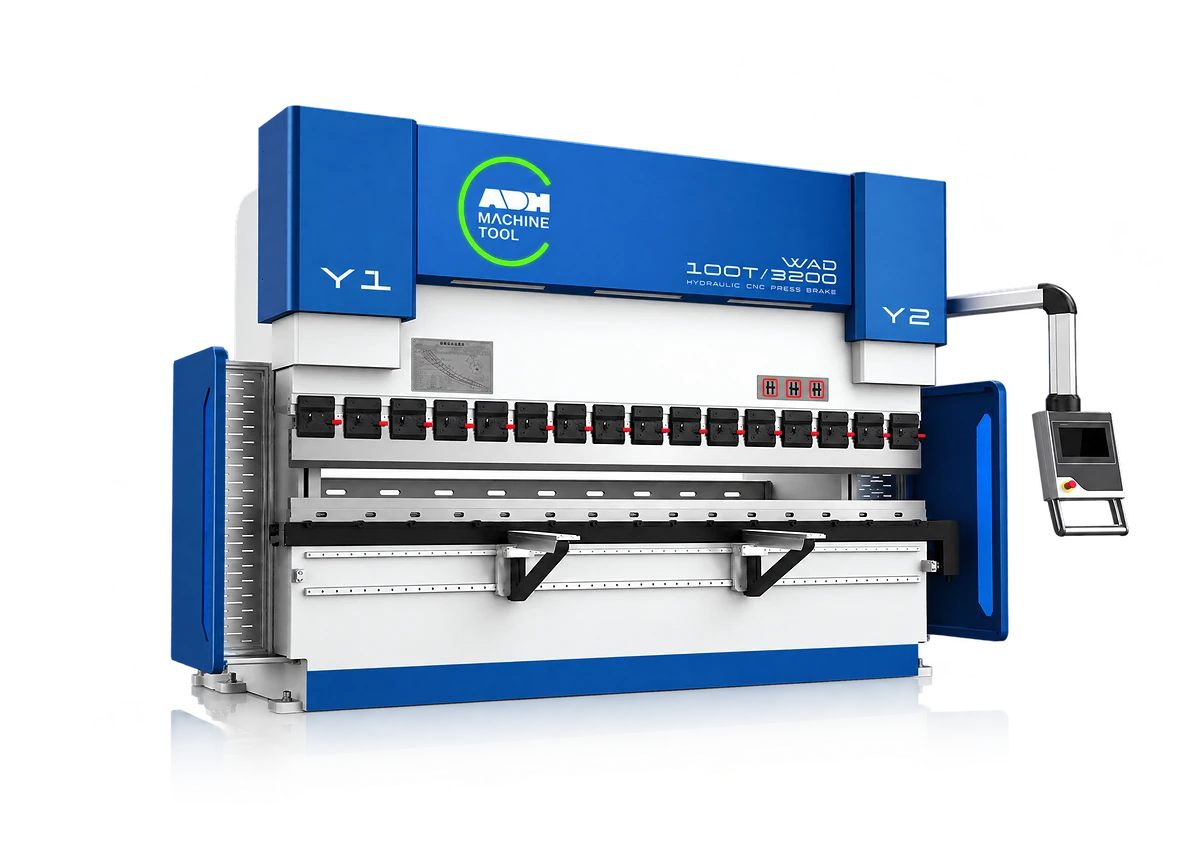
Bend guards and supports
Review CNC press brakes against the changing shapes, tool access, backgauge references and support needed for the assembly parts.
Compare CNC press brakes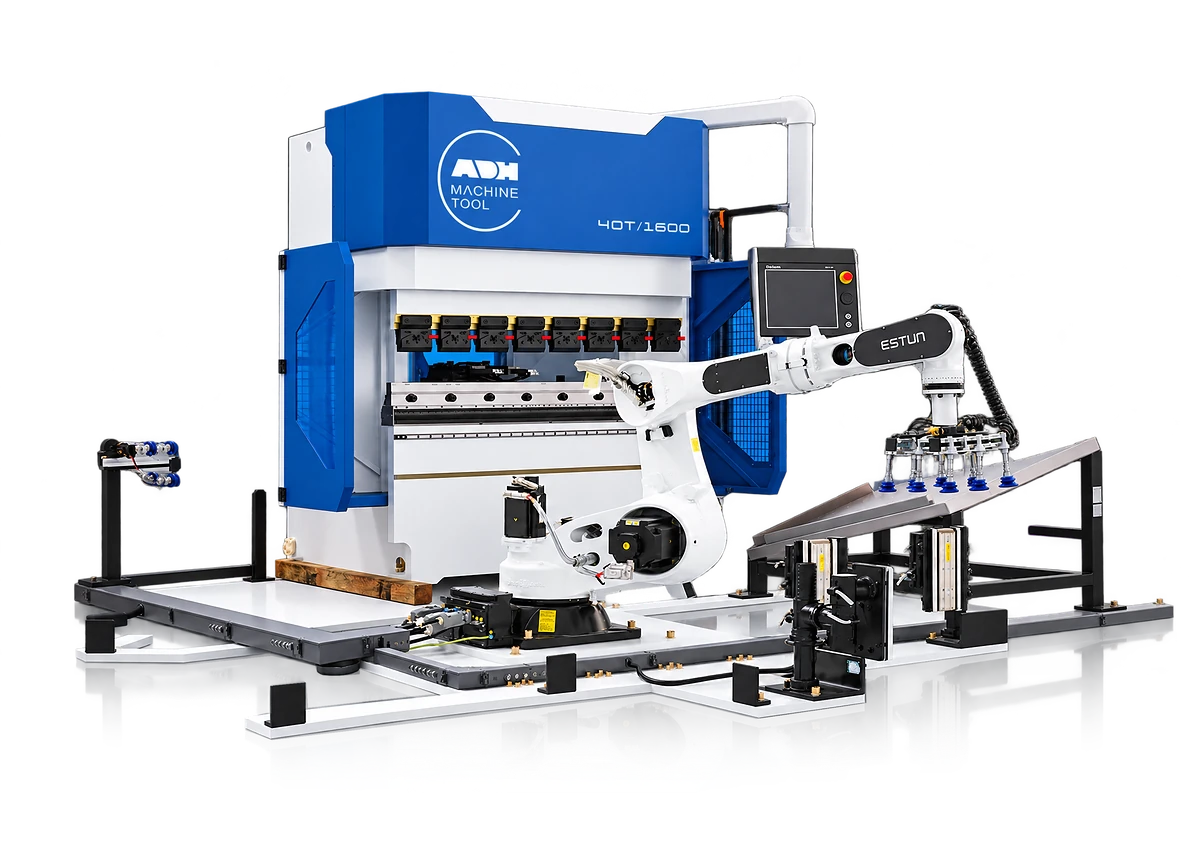
Evaluate repeated bending tasks
A bending cell comparison includes gripping, reorientation, tool changes, stacking and recovery. Start with representative repeat parts and their exceptions.
Explore bending cellsThis page concerns producing components for machinery. The finished machine’s functional performance and any application-specific requirements remain part of its own design and validation.
Start from the assembly drawing
Compare cutting, CNC bending and robotic handling against your assembly drawings, tooling clearance and production flow.