
01
Material and blank
Provide material grade, thickness range, surface/finish, blank size and part weight.
Panel Bending | PB-M Series
Press-arm blank handling and manually changed segmented tooling for servo-electric panel bending.
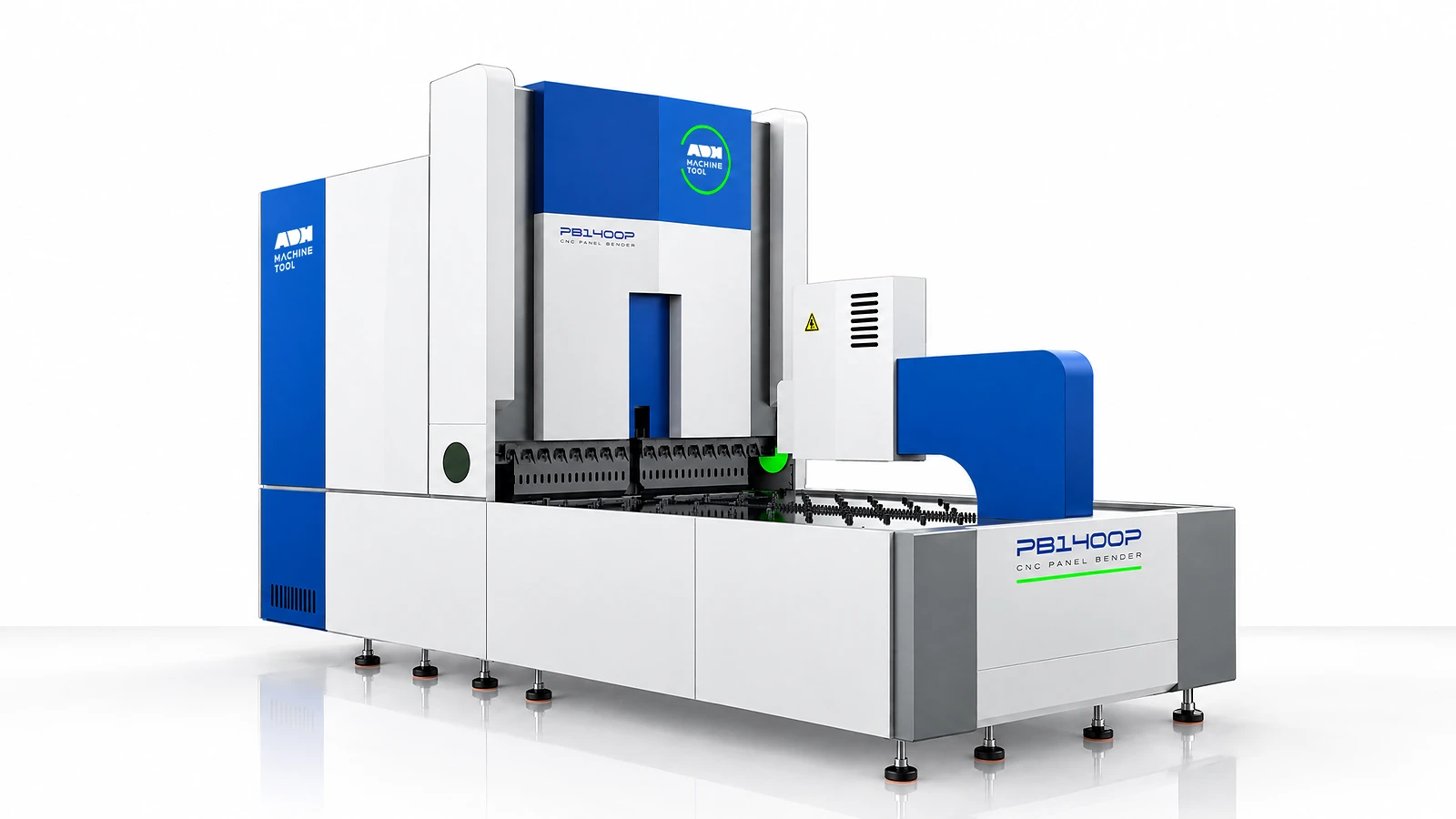
Technical specifications
PB-M1600 accepts a maximum bend size of 1,600 × 1,200 mm. Its maximum material thickness is 2 mm for 304 stainless steel, 2.5 mm for cold-rolled steel and 3 mm for aluminium. Compare the PB-M sizes below and check the starred limits against the tooling, flange sequence and material grade for your part.
| Model | Max Thickness · 304 SS | Max Thickness · Cold-Rolled Steel | Max Thickness · Aluminium | Fastest Bend Time* | Max Bend Width | Bend Height | Rated Voltage | Total Power | Noise* | Min Material Thickness* | Min Four-Side Inner Size* | Min Two-Side Inner Size* | Max Bend Size* | Diagonal | Weight | Axes | Length | Width | Height |
|---|---|---|---|---|---|---|---|---|---|---|---|---|---|---|---|---|---|---|---|
| Unit | mm | mm | mm | s/bend | mm | mm | V | kW | dB | mm | mm | mm | mm | mm | t | count | mm | mm | mm |
| PB-M1600 | 2 | 2.5 | 3 | 0.2 | 1600 | 200 | 380 | ≈38 | ≈50 | ≈0.35 | 280×180 | 180 | 1600×1200 | 2340 | 11 | 15 | 4780 | 2150 | 2900 |
| PB-M2100 | 2 | 2.5 | 3 | 0.2 | 2190 | 200 | 380 | ≈76 | ≈50 | ≈0.35 | 280×180 | 180 | 2100×1200 | 2854 | 19 | 15 | 5650 | 2750 | 3200 |
| PB-M2600 | 2 | 2.5 | 3 | 0.2 | 2610 | 200 | 380 | ≈108 | ≈50 | ≈0.35 | 280×180 | 180 | 2600×1200 | 3240 | 23 | 15 | 6130 | 3250 | 3250 |
| PB-M3200 | 2 | 2.5 | 3 | 0.2 | 3200 | 200 | 380 | ≈154 | ≈50 | ≈0.35 | 335×200 | 200 | 3200×1200 | 3794 | 27 | 15 | 6900 | 3850 | 3500 |
| PB-M4200 | 2 | 2.5 | 3 | 0.2 | 4200 | 200 | 380 | ≈182 | ≈50 | ≈0.35 | 335×280 | 280 | 4200×1200 | 4752 | 36 | 19 | 7500 | 4900 | 3600 |
| PB-M2100-300 | 1.5 | 2 | 2.5 | 0.2 | 2100 | 300 | 380 | ≈76 | ≈50 | ≈0.35 | 280×180 | 180 | 2100×1200 | 3036 | 21 | 15 | 5800 | 2750 | 3400 |
| PB-M2600-300 | 1.5 | 2 | 2.5 | 0.2 | 2600 | 300 | 380 | ≈108 | ≈50 | ≈0.35 | 280×180 | 180 | 2600×1200 | 3426 | 25 | 15 | 6300 | 3250 | 3550 |
| PB-MH2600 | 1.5 | 2 | 2.5 | 0.2 | 2600 | 200 | 380 | ≈66 | ≈50 | ≈0.35 | 280×180 | 180 | 2600×1200 | 3240 | 21 | 15 | 6130 | 3150 | 3200 |
| PB-MH2100 | 1.5 | 2 | 2.5 | 0.2 | 2100 | 200 | 380 | ≈53 | ≈50 | ≈0.35 | 280×180 | 180 | 2100×1200 | 2854 | 17.5 | 15 | 5650 | 2650 | 3150 |
Application inputs
01
Provide material grade, thickness range, surface/finish, blank size and part weight.
02
Share bend width/height, flange geometry, minimum internal dimensions, radius and bend sequence.
03
Confirm manual segmented tooling, clamp zones, part rotation, batch mix and loading/unloading method.
04
Confirm destination power, access, safety, maintenance zones and the representative-part measurement plan.
Related machine demonstration
This reference video shows a PB-A1630 with automatic tool change. PB-M uses manual segmented-tool setup; use this footage to review the panel-bending process, not the PB-M tooling configuration.
Watch on YouTube (opens in a new tab)Product systems
PB-M uses press arms to hold and rotate the blank, with manual segmented-tool setup. Review the grip zones, forming clearance and program around the intended panel family.
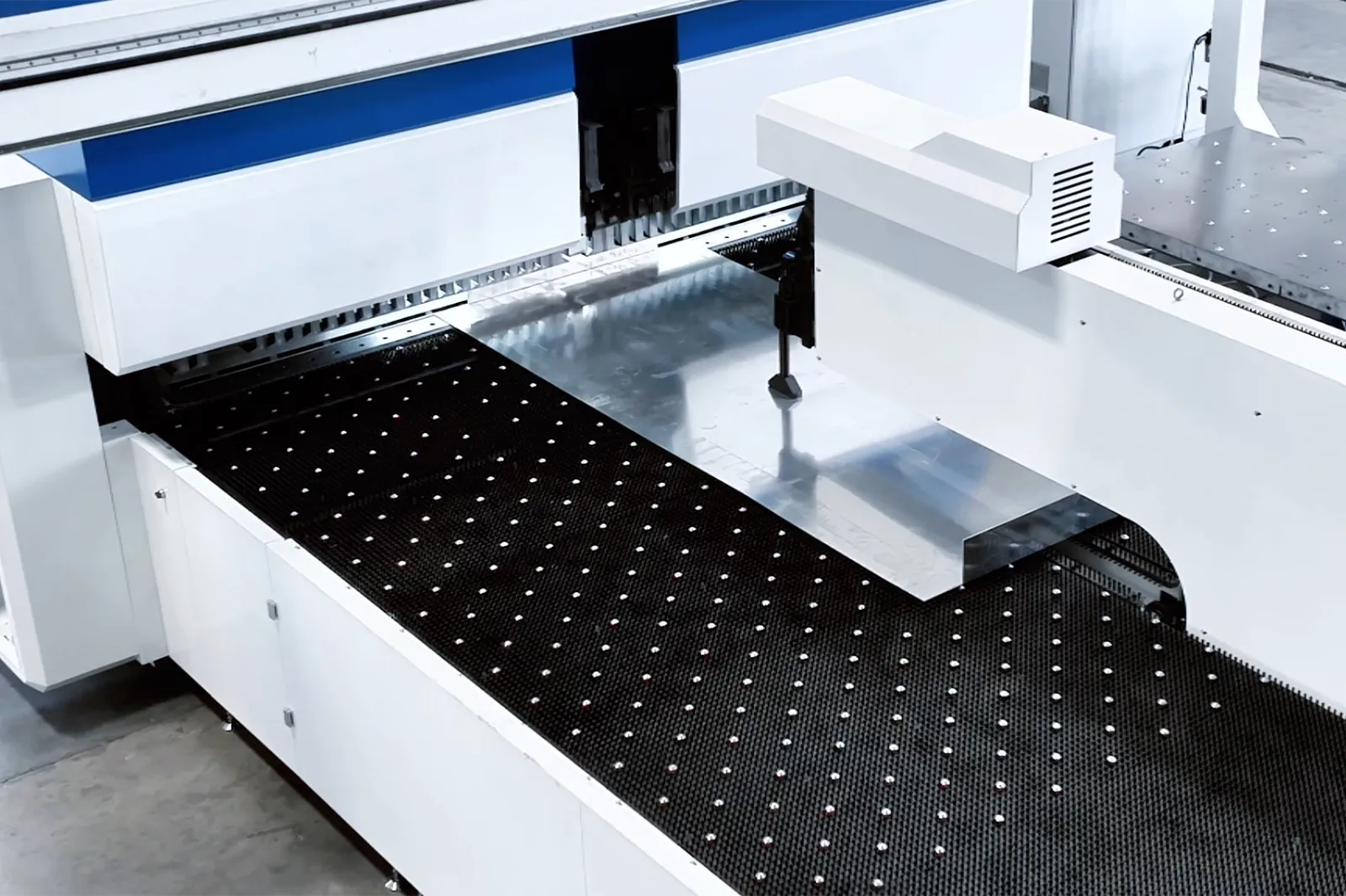
01
The PB-M3200 uses 15 axes and the PB-M4200 uses 19. Servo drives coordinate panel feeding, positioning, rotation and forming.
Review what those axes do for your part. Travel, usable geometry and the selected machine configuration matter alongside the count.
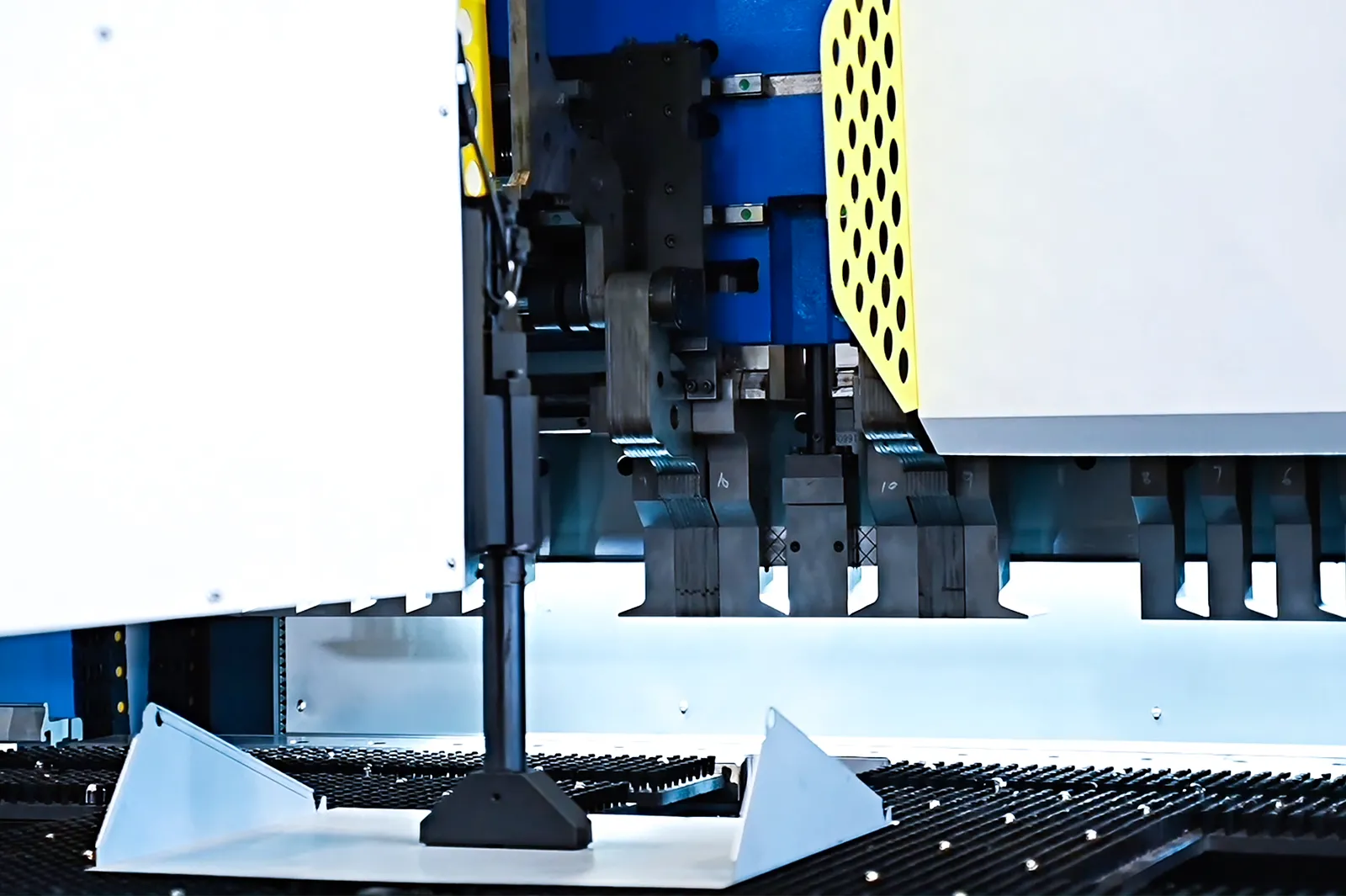
02
Press arms hold and rotate the blank through the programmed sequence. Their grip zones must remain accessible as the panel shape develops.
Check the flat pattern, minimum clamp geometry and interference at each bend. Surface contact and the rotation path should be reviewed on the actual material.
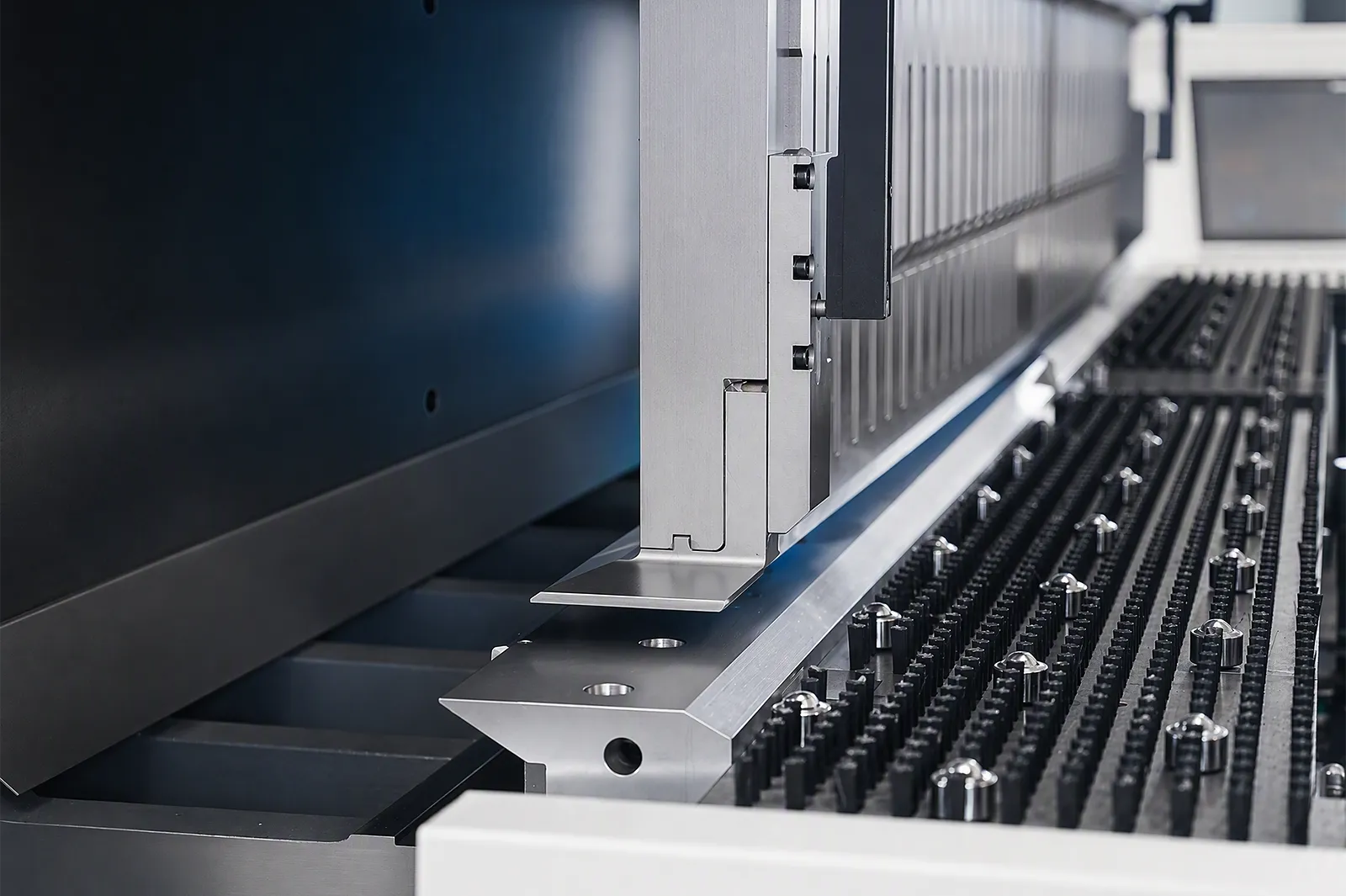
03
The M configuration uses manual tool changes. Segmented tooling is arranged for the required working length and flange clearances before the bending sequence starts.
Review the supplied segments and changeover method for your job mix. PB-A is the separate route when program-selected automatic tool change is required.
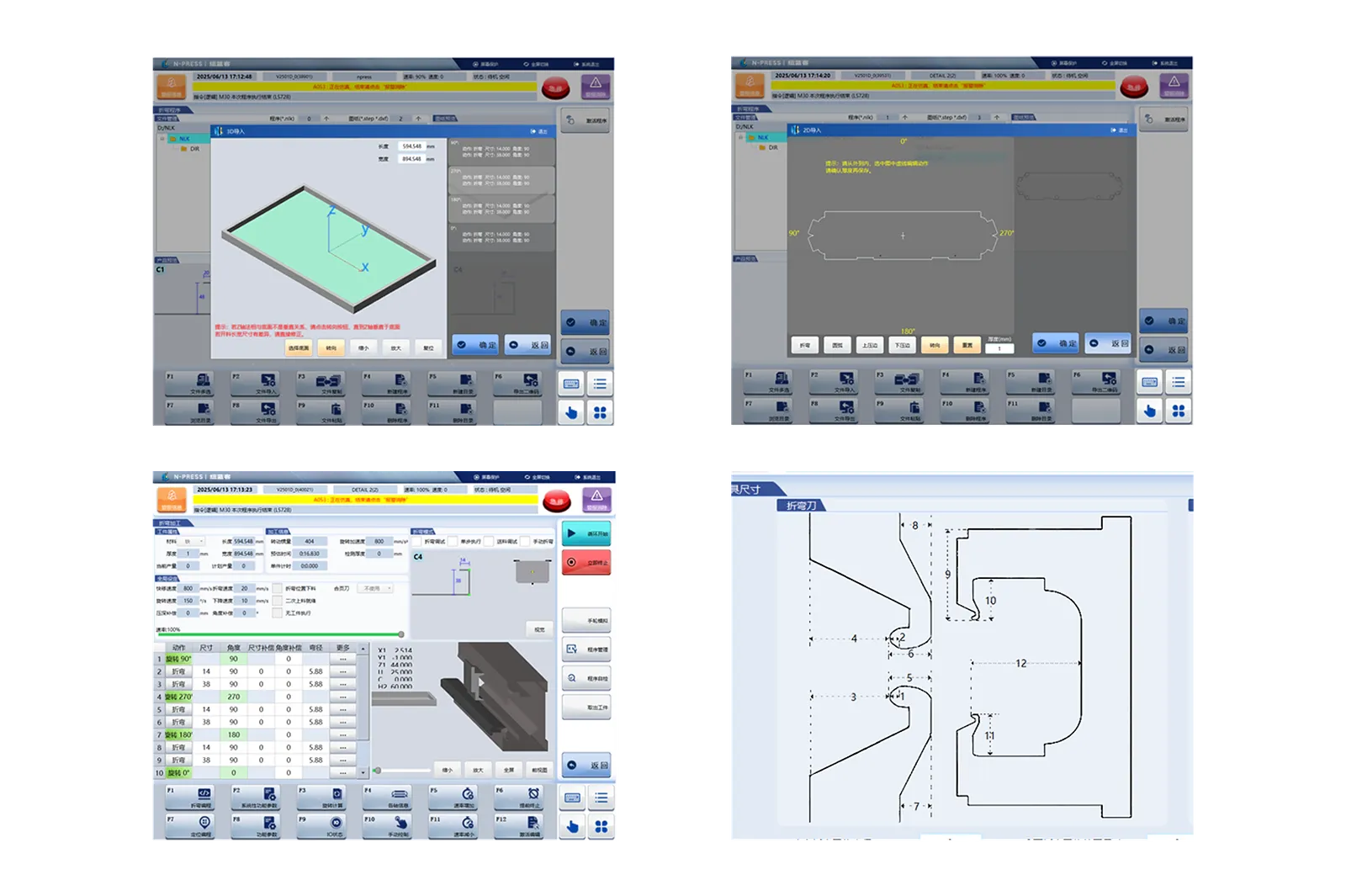
Programming
The program defines part position, manual tool setup and bend order.
Demonstrate drawing input and the supplied compensation and software functions on representative parts.
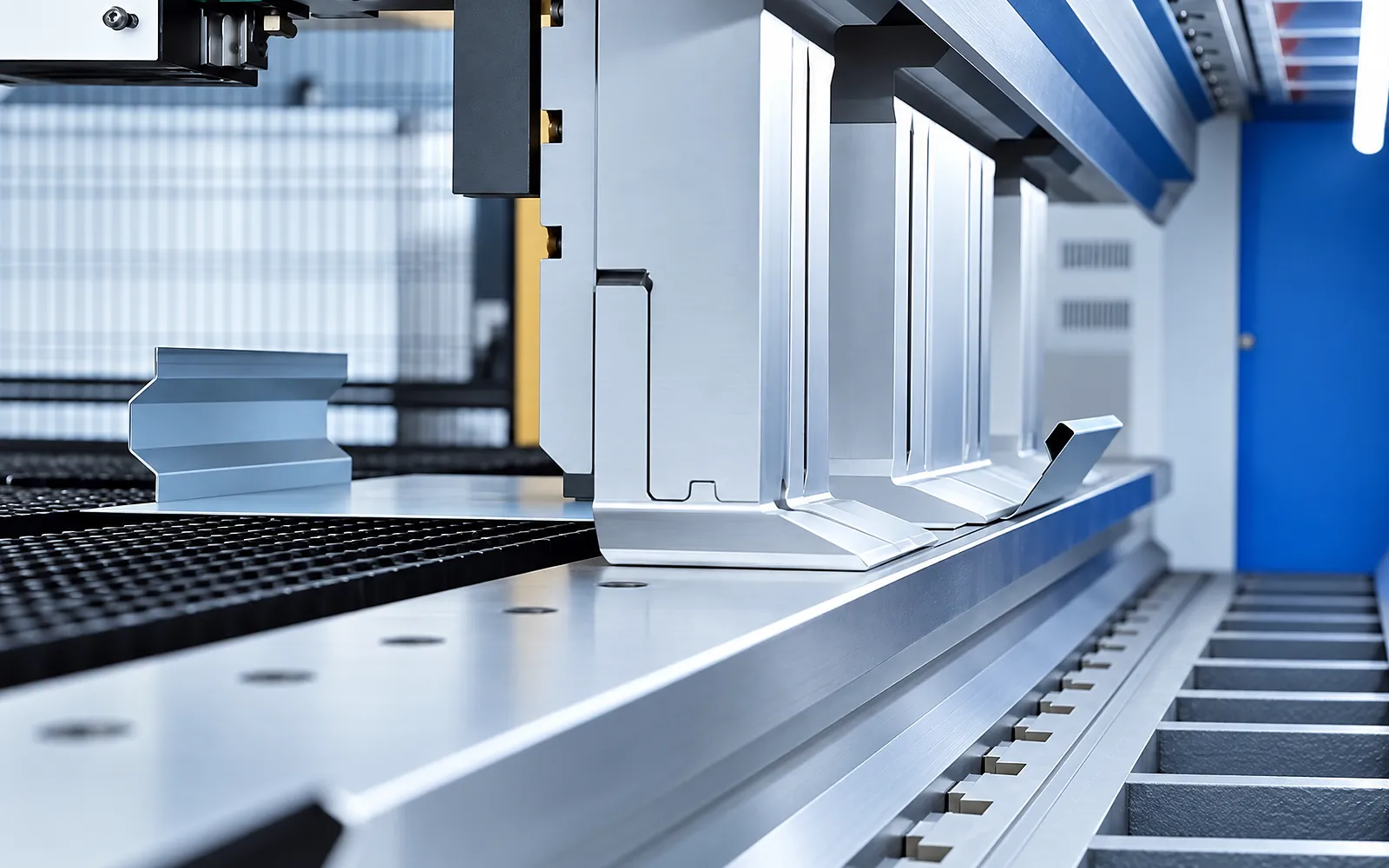
Collision review
Simulation and interference checks, where supplied, help review clearance as the panel changes shape.
Confirm the available functions and recovery workflow in the delivered package.
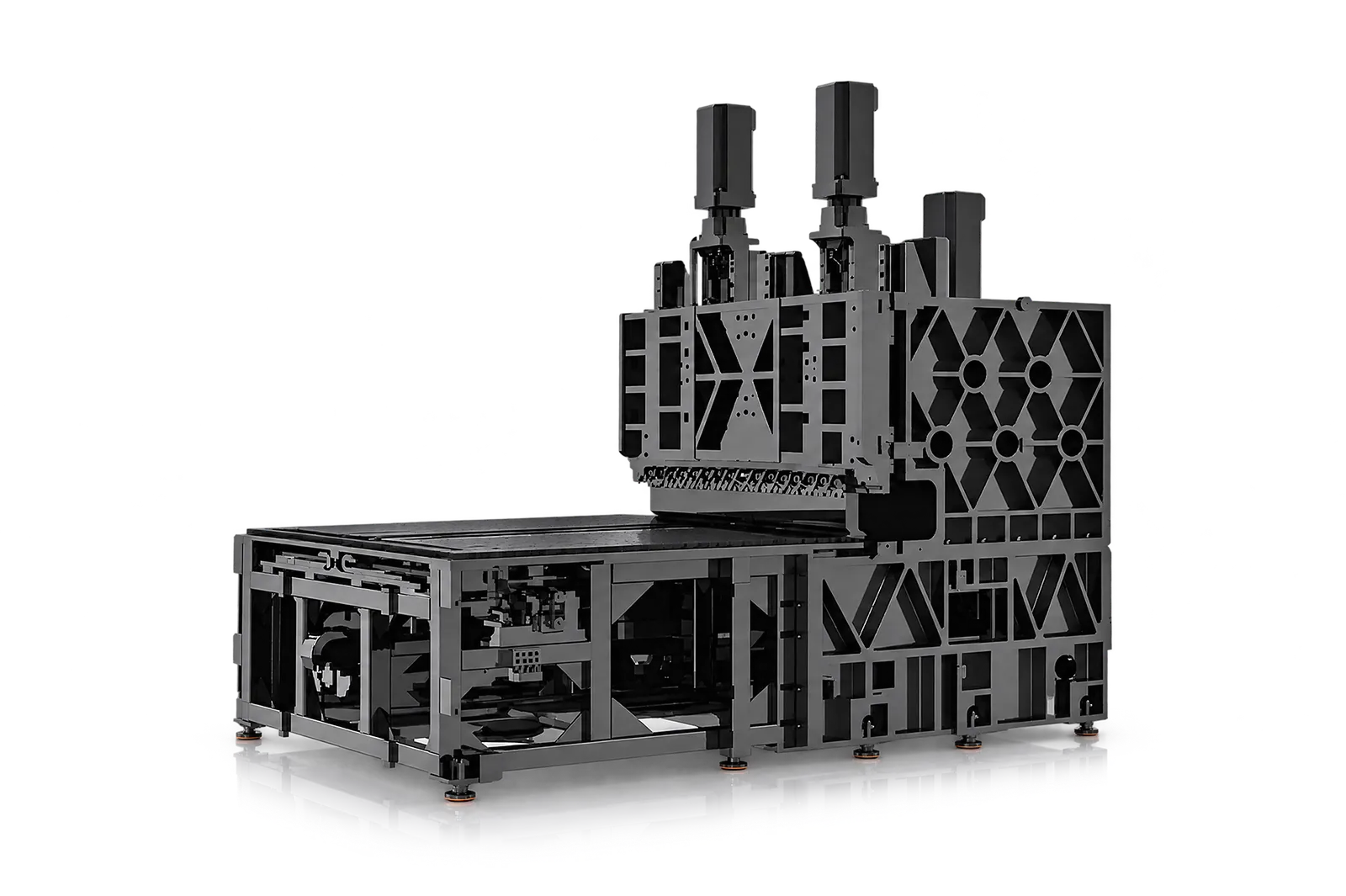
Machine variants
Standard, height and hybrid variants have different envelopes and machine data.
Read dimensions, thickness and mass from the selected variant.
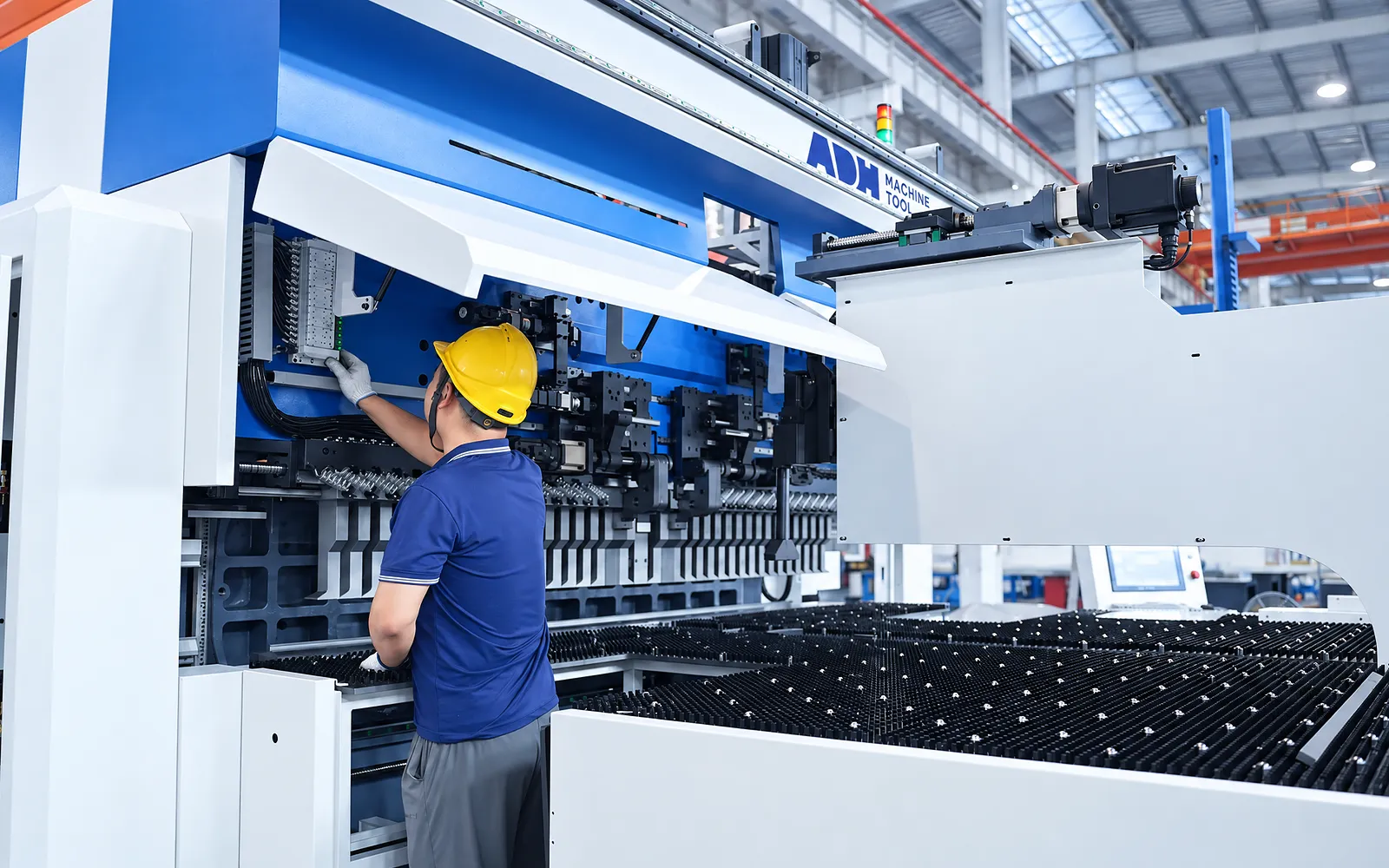
Service access
Motion components and lubrication determine the service access needed around the machine.
Specify component, calibration and spare-part requirements for the operating conditions.
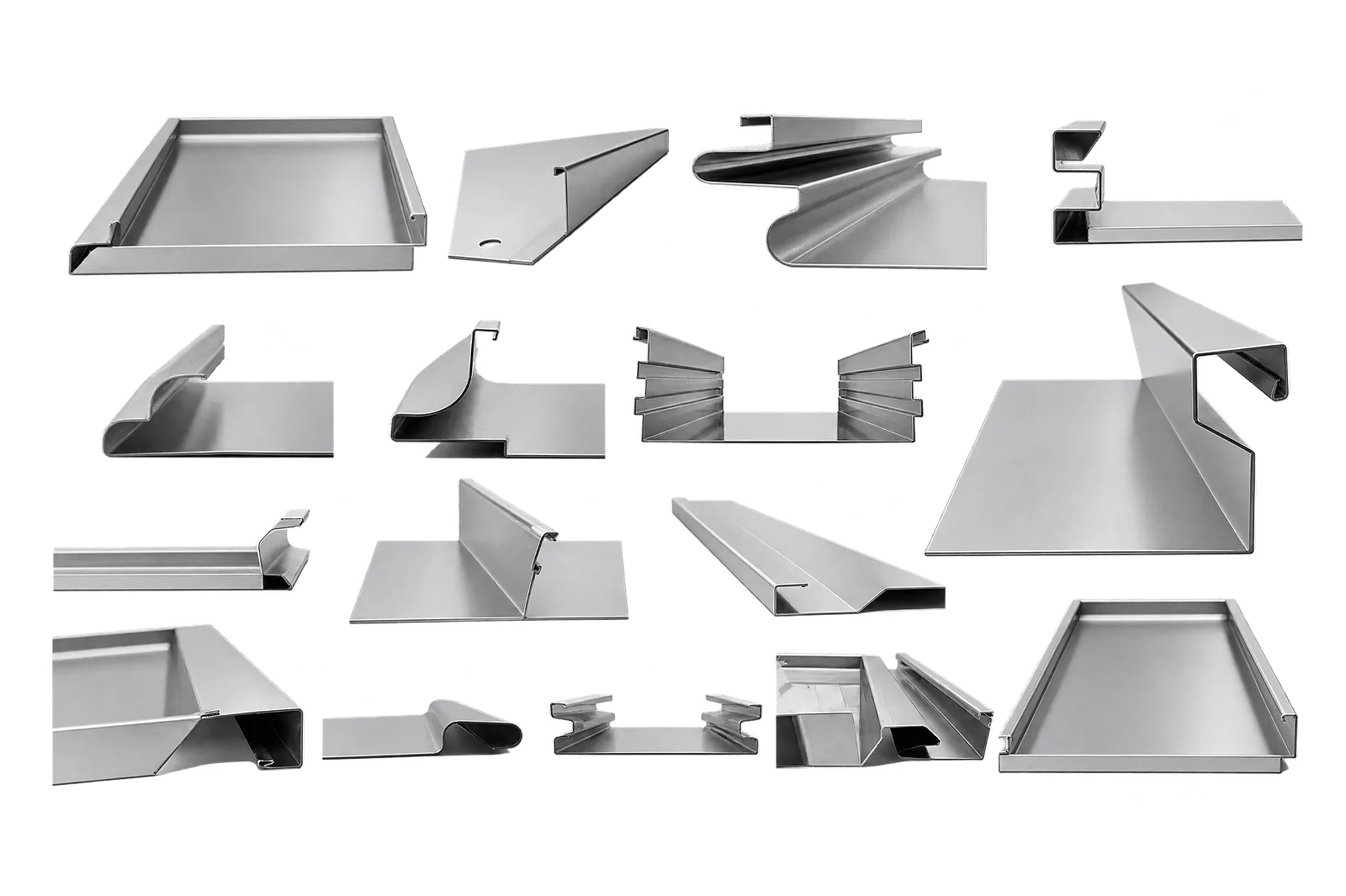
06
A representative panel run exercises manual tool setup, press-arm holding, rotation and the bending sequence. Inspect the finished dimensions and surface.
Agree material, grain direction, drawing and inspection points. Use the actual panel mix to review changeover and handling needs.
Configuration
The table covers nine M, 300 mm-height and PB-MH variants; approximate fields remain marked ≈.
Axes/functions, controller, segmented tooling, clamping, handling, safety and electrical details are finalized in the quotation.
Test grip, rotation, clearance, bend sequence and finished-part measurements on the agreed representative panel.
Through the machine lifecycle
Find the training, maintenance guidance and parts support your team needs. Services and availability are confirmed for your machine and location.
Before start-up
Prepare utilities, lifting and the installation area, then coordinate start-up and handover.
Review installation supportBefore production
Build the operator, programming and maintenance skills required for your delivered machine.
Explore trainingIn operation
Get support with the machine model, serial number and a clear description of the issue.
Request technical supportPlanned spares
Identify your machine and component so our team can check compatibility and availability.
Request service or partsSelf-service
Find video guidance for operating and maintaining your ADH machine. Check relevance to your model and configuration.
Browse support videosContract scope
Your quotation or contract defines included services, warranty, exclusions and responsibilities.
Review service scopeProject enquiry
Tell us what you want to make or improve. Technical details and drawings can follow.
Contact ADH
Name, email and a short description are enough to begin.